
Three days of working with renowned wool artist Claudy Jongstra exploring ecology and engaging in dialogue with yourself, your surroundings, and others.

During four classes and a three-day intensive, a multidisciplinary group of honours students engages with models and tools in the field of transition and applies them in practice.

A weekly course (14 weeks) that supports students in developing a sustainable personal and professional practice by connecting inner development with real-world exploration.

Nieuwolda is a multidisciplinary elective course consisting of three lessons and one 3-day intensive. The course invites participants to connect to new surroundings through their senses and use these experiences to develop the next steps in their projects.
Jan van Boeckel
3-day intensive @ Claudy Jongstra
Jan van Boeckel was Professor Art & Sustainability at Hanze University of Applied Sciences from 2020 to 2024. He is an internationally recognized researcher in the field of arts-based environmental education, an approach that seeks to heighten ecological awareness through artistic approaches. In his work he explores how the interplay of art (imagination), embodied experience (the senses), and sustainable education (pedagogy) can deepen our relationships with the nonhuman world (ecology) and contribute to more sustainable ways of living and learning.

Joost van Balveren
Sh#ft Happens
Joost van Balveren is a lecturer in Social Studies at Hanze University of Applied Sciences. His work focuses on social change, human behaviour, and the ways people make sense of an increasingly complex world. Within Transit Skills, he contributes perspectives from social sciences, philosophy, and systems thinking, encouraging students to critically examine assumptions, perspectives, and societal challenges.
Cora Jongsma
3-day intensive @ Claudy Jongstra
Elective Nieuwolda
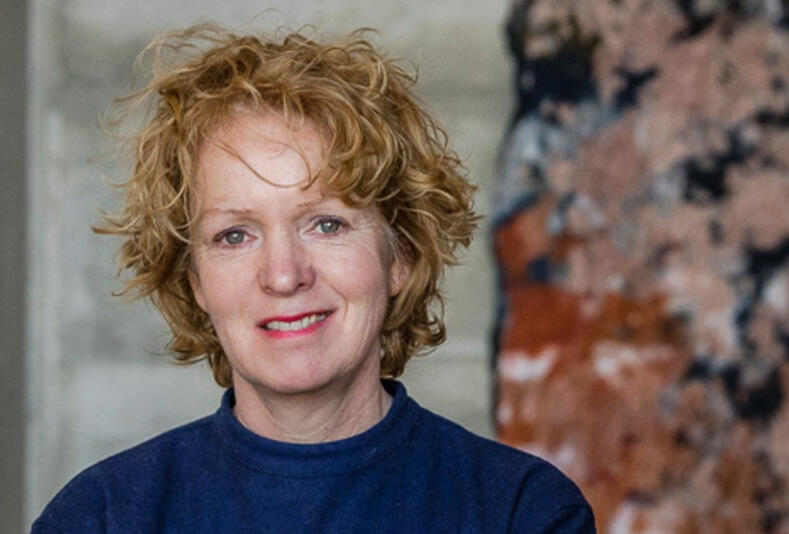
Cora Jongsma is a wool artist and educator whose work explores the relationship between people, materials, landscape, and craftsmanship. Drawing inspiration from natural processes and traditional textile practices, she creates learning experiences that invite participants to slow down, engage their senses, and learn through making. Her workshops often combine creativity, ecology, and embodied learning.
Bob Kolsters
Elective Nieuwolda
Sh#ft Happens
{INSIDE [OUT}SIDE IN]
Bob Kolsters is project leader of Transit Skills, lecturer at the Minerva Academy for Popular Culture, and co-founder of the Hanze Ontwerpfabriek. His work focuses on helping students develop the skills needed to navigate complexity, uncertainty, and societal transitions. He combines educational innovation, community engagement, and creative practice to create learning experiences that connect personal development with real-world challenges.
How can craftsmanship, ecology, and imagination help us develop a more meaningful way of living and working?
This three-day intensive invites participants to slow down, pay attention, and reconnect with themselves, others, and the living world around them. Inspired by the work and philosophy of Claudy Jongstra, participants explore how craftsmanship, ecology, creativity, and personal values can come together in meaningful practice.
Rather than approaching sustainability primarily as a technical or environmental challenge, this route explores it as a relational and personal one. Through hands-on making, sensory exploration, reflection, dialogue, and encounters with the landscape, participants investigate how knowledge can emerge through experience, attention, and embodied practice.
Working with natural materials such as wool, plants, colour, and clay, students are invited to engage with questions such as:
• What do I value?
• What kind of future do I want to contribute to?
• How can I work in ways that remain sustainable for both myself and the world around me?
• What can nature, craftsmanship, and imagination teach us about change and transformation?
Throughout the intensive, participants engage in a variety of activities that invite them to observe more carefully, work with their hands, explore their surroundings, collaborate with others, and reflect on their own values and ways of working.
About Claudy Jongstra:
Claudy Jongstra's internationally acclaimed practice demonstrates how art, ecology, craftsmanship, and community can reinforce one another. Her work offers a living example of how personal values can be translated into meaningful action, inviting participants to reflect on their own relationship with the world and the role they wish to play within it.
Program
Day 1: Arrival, introductions, and exploration
Day 2: Visit to Claudy Jongstra – Part 1
Day 3: Visit to Claudy Jongstra – Part 2
assignments day 1
assignments day 2
assignments day 3
LANDING
This exercise helps you develop transit skills by becoming aware of your surroundings and how they influence your experience.
By consciously arriving in a place, you strengthen your ability to be present and to connect with your environment.
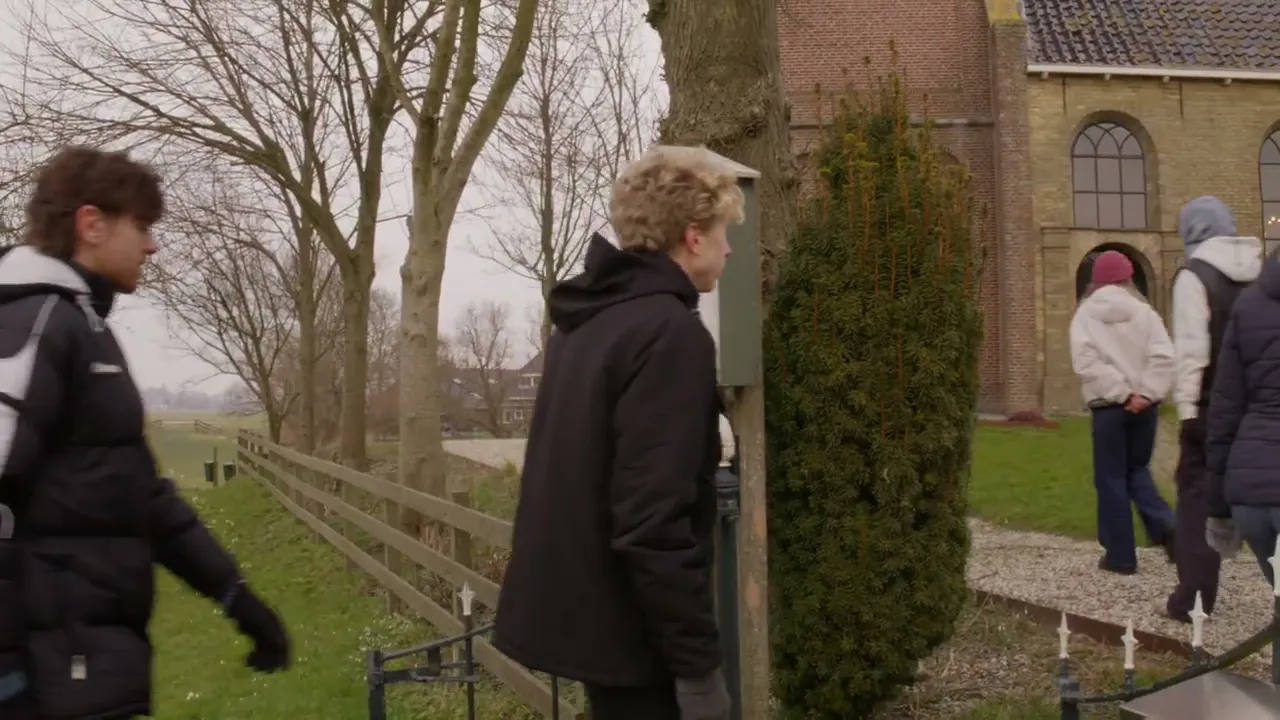
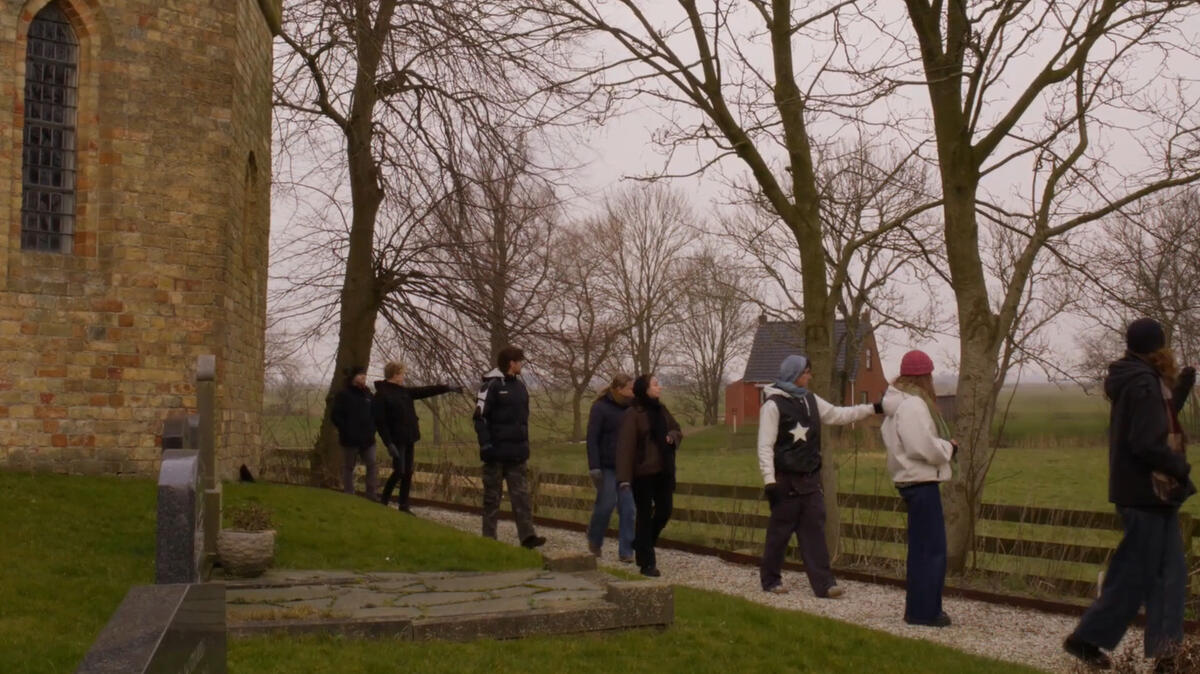
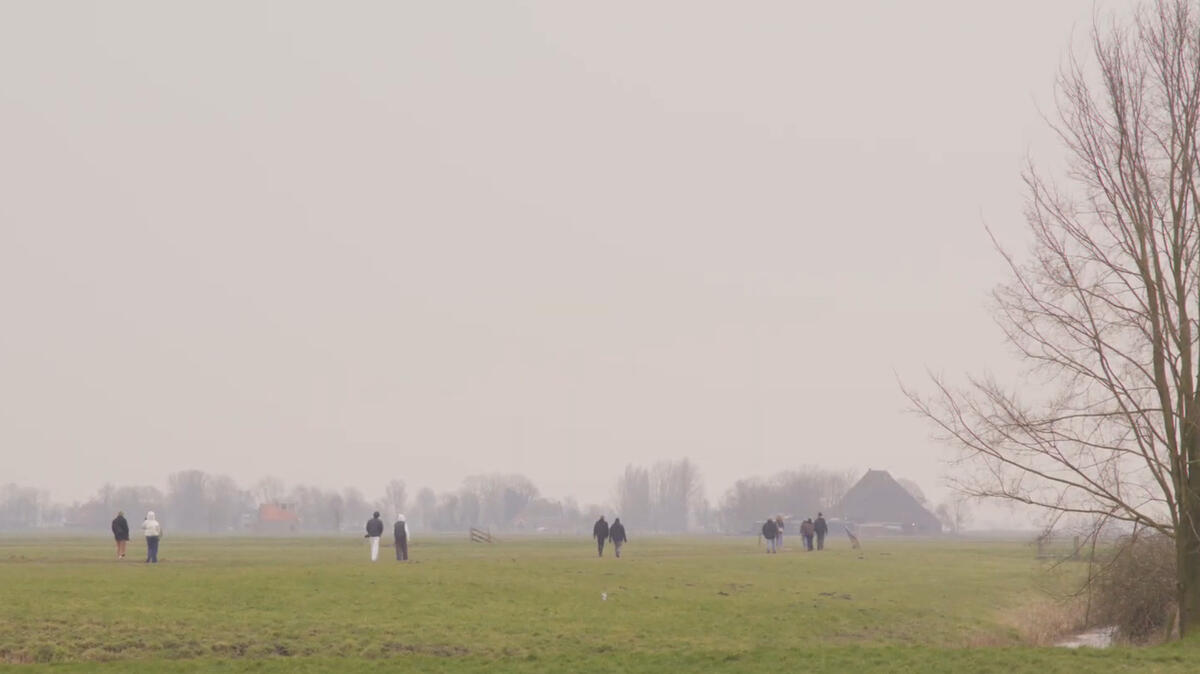
AN IMPORTANT WALK
To explore how meaningful experiences are shaped by both inner reflection and the environment.Through walking and storytelling, participants connect personal stories to place and to others.
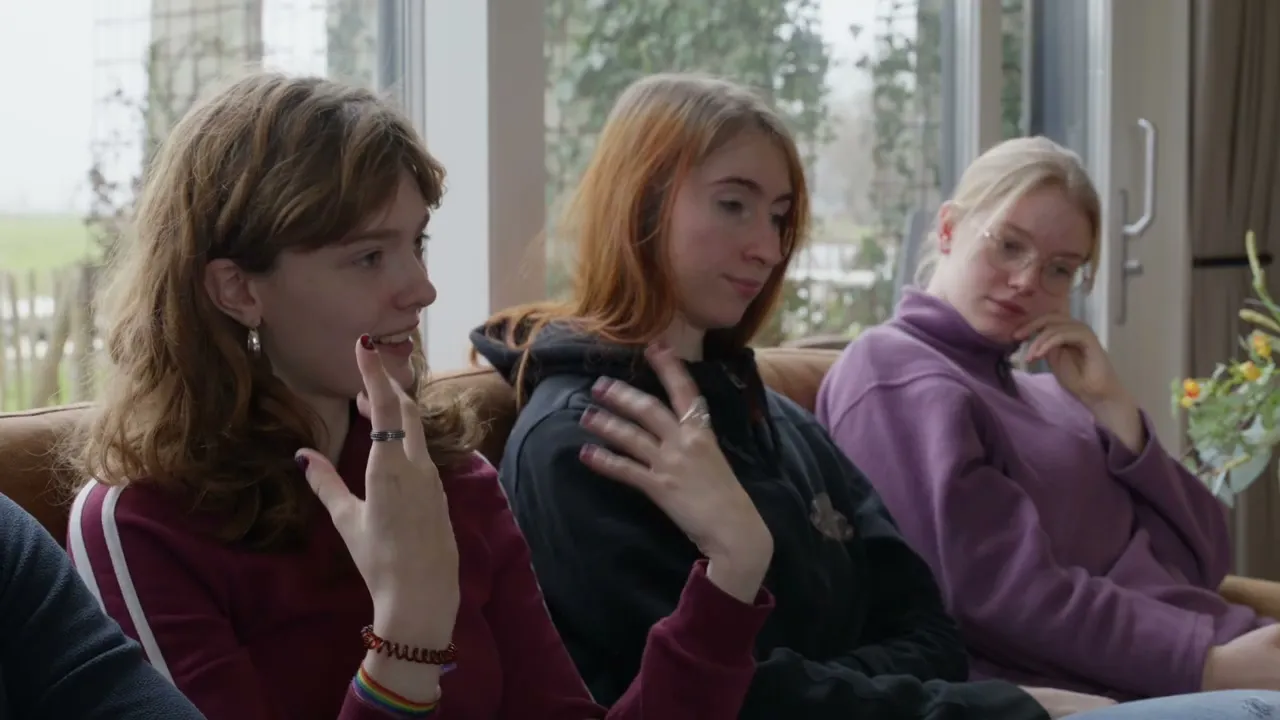
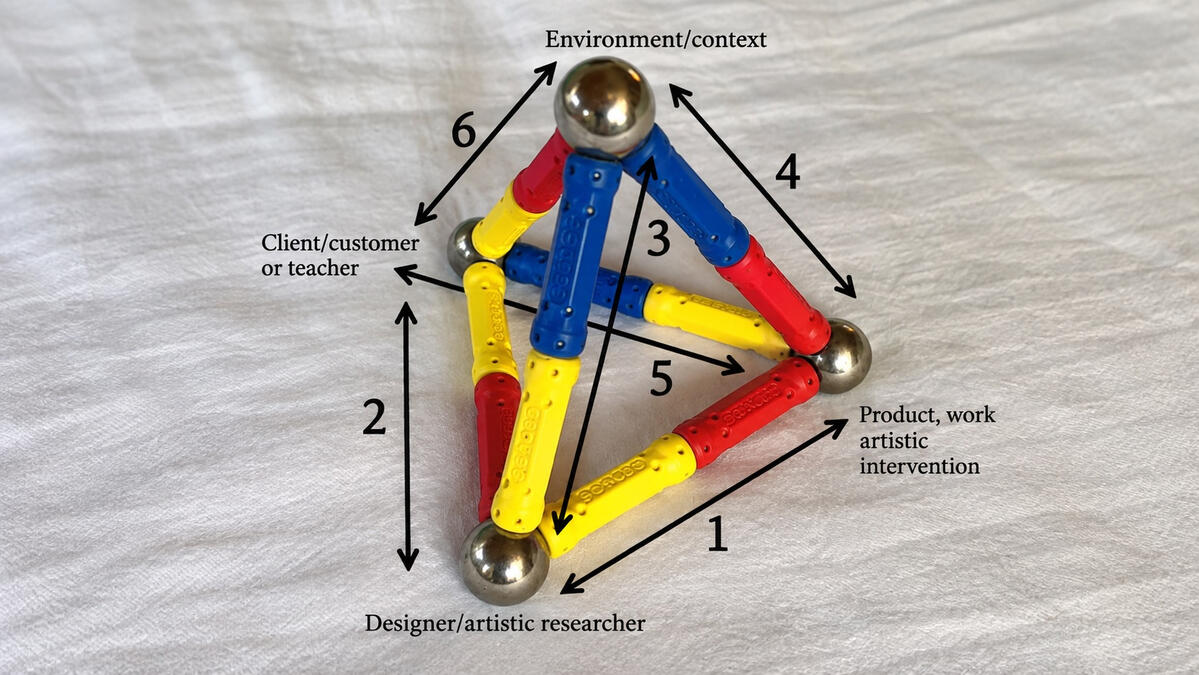
TETRAHEDRON
To foster awareness of the evolving relationships that shape your work. These connections are not fixed but are shaped by interaction, interpretation, and exchange.
Rather than focusing only on separate elements — such as your work, your audience, or the wider context — this workshop invites you to explore the connections between them.
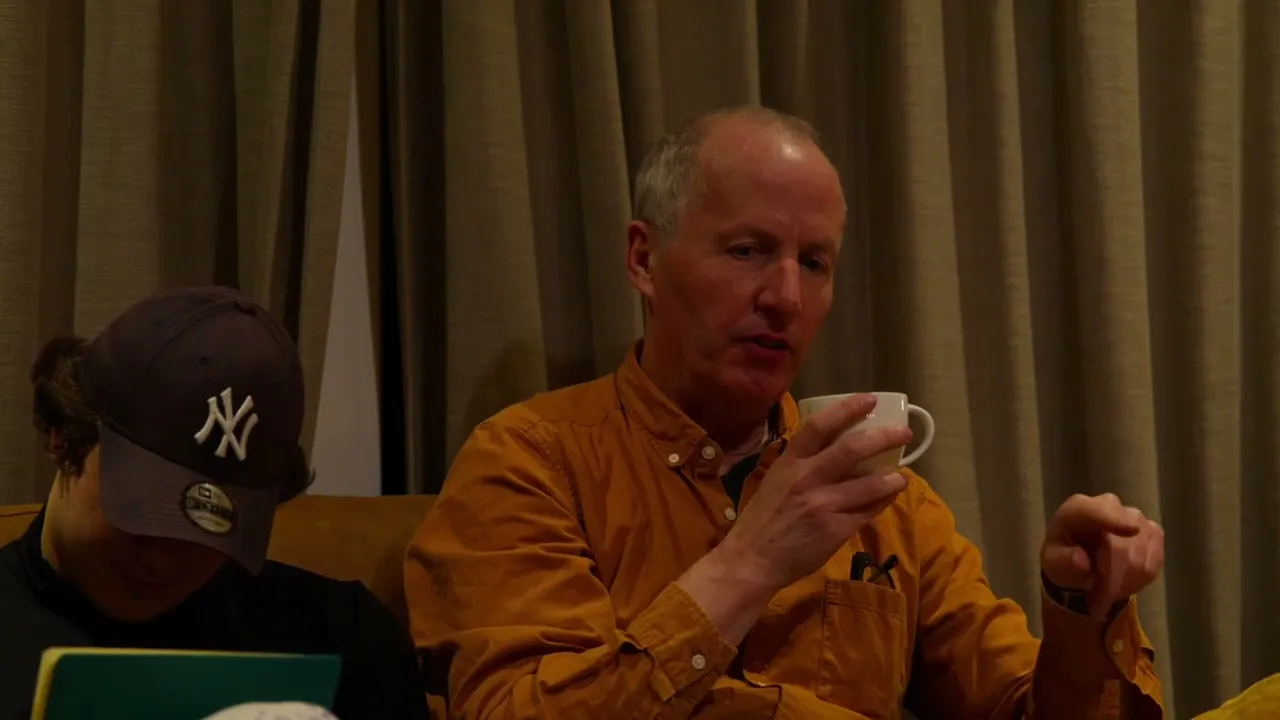
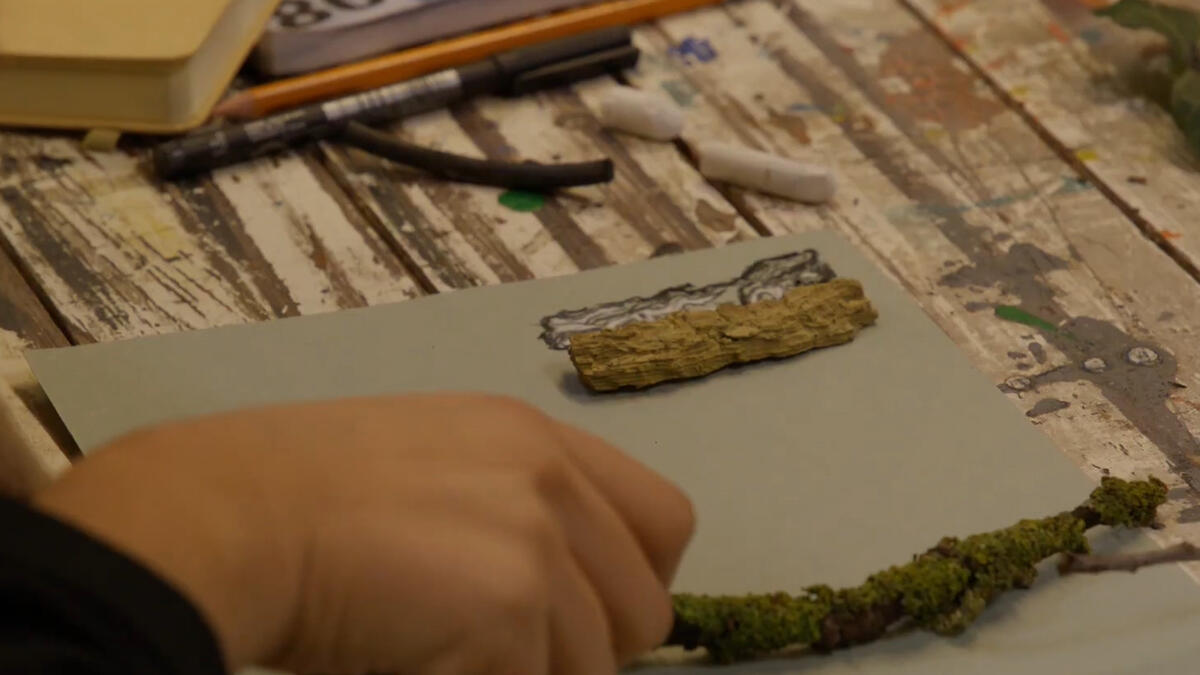
Open Exploration 1
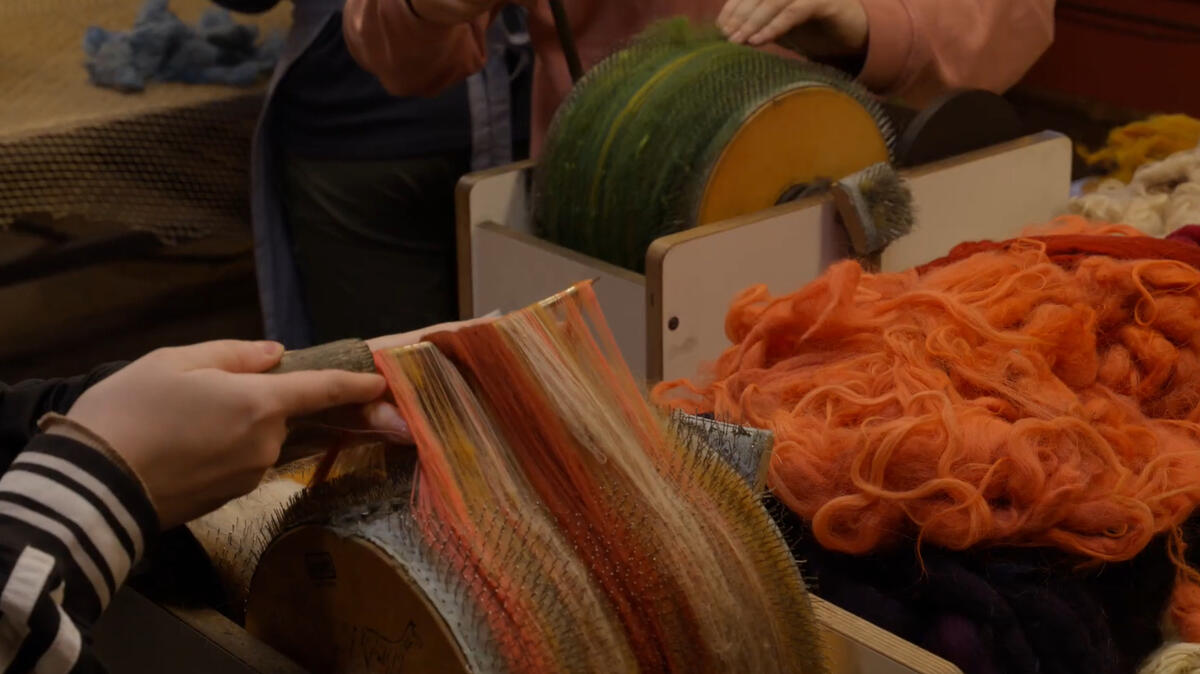
This activity invites students to engage directly with natural materials, traditional making processes, and sensory observation. By exploring a range of activity stations, students learn through doing, observing, experimenting, and participating.Rather than working toward a predefined outcome, students are encouraged to follow curiosity, develop attention, and discover connections between materials, landscape, craft, and making.
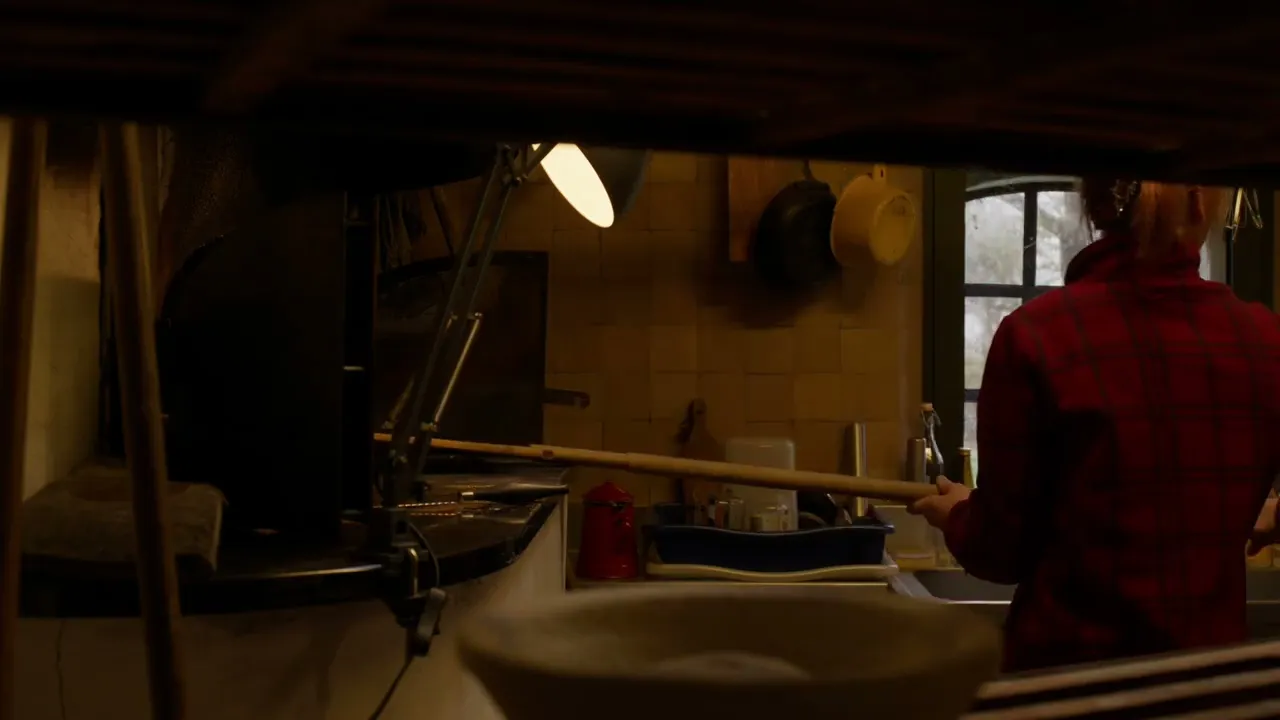
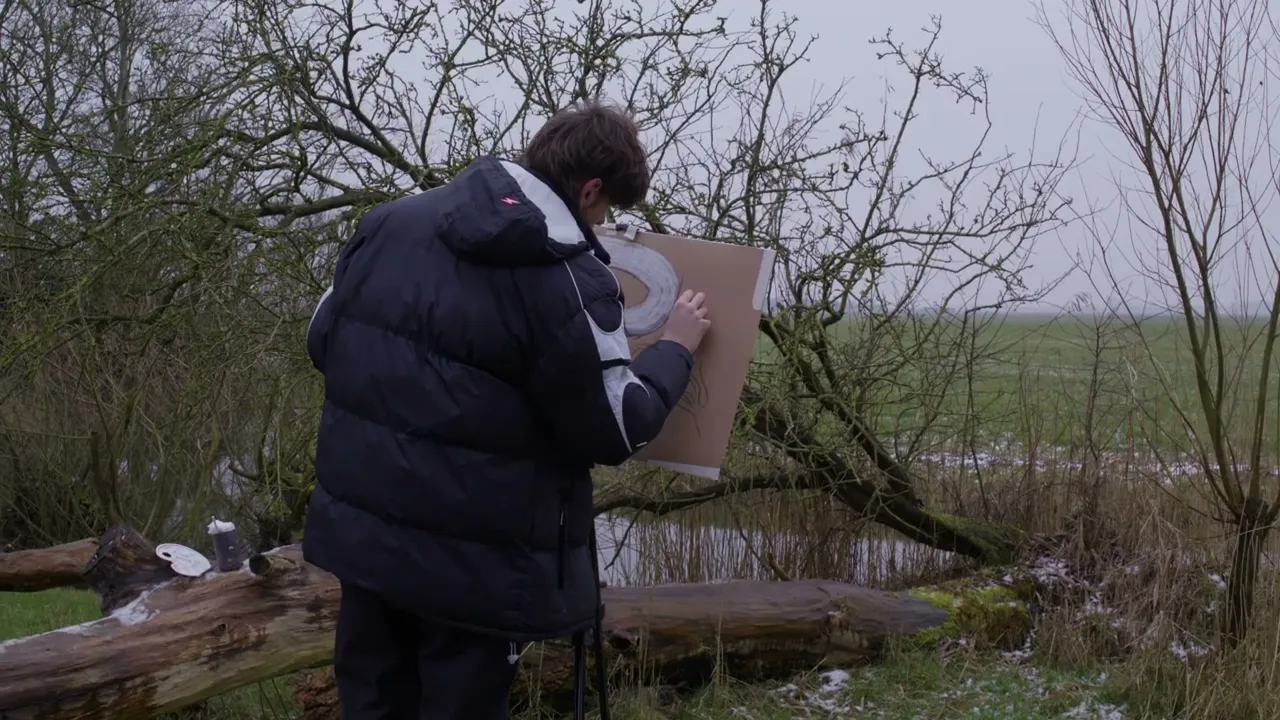
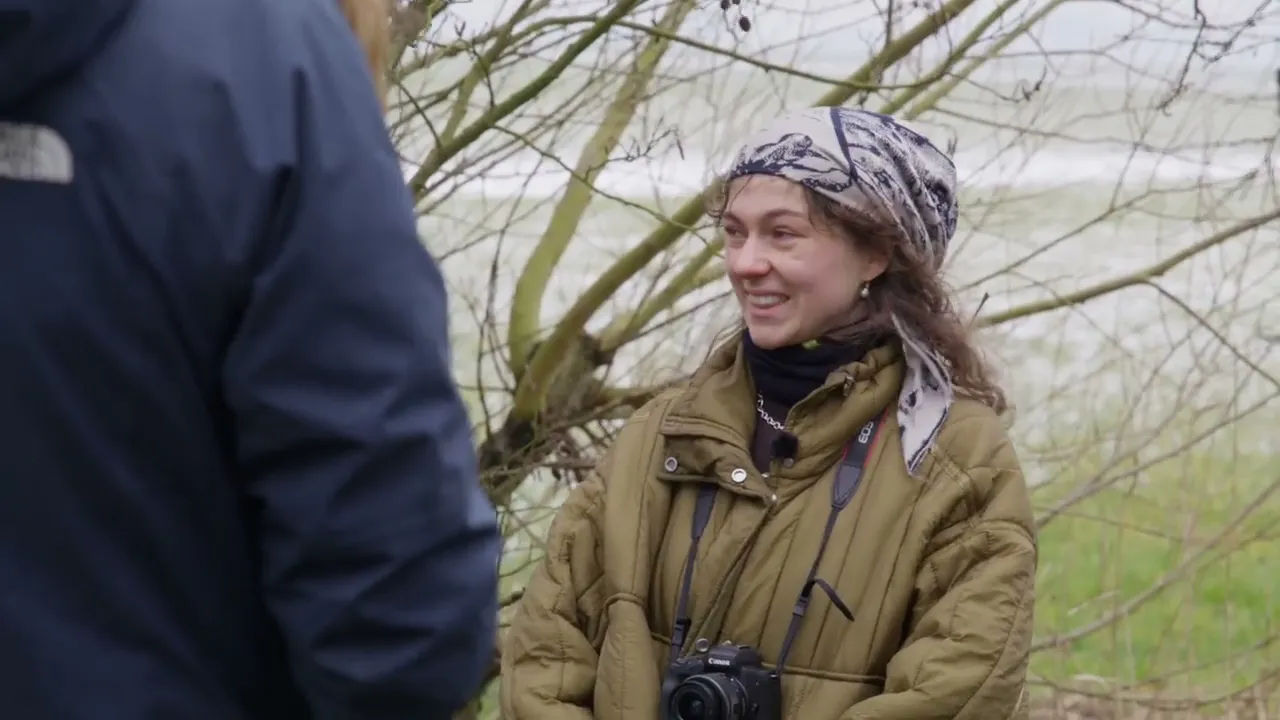
Lines of the Hand
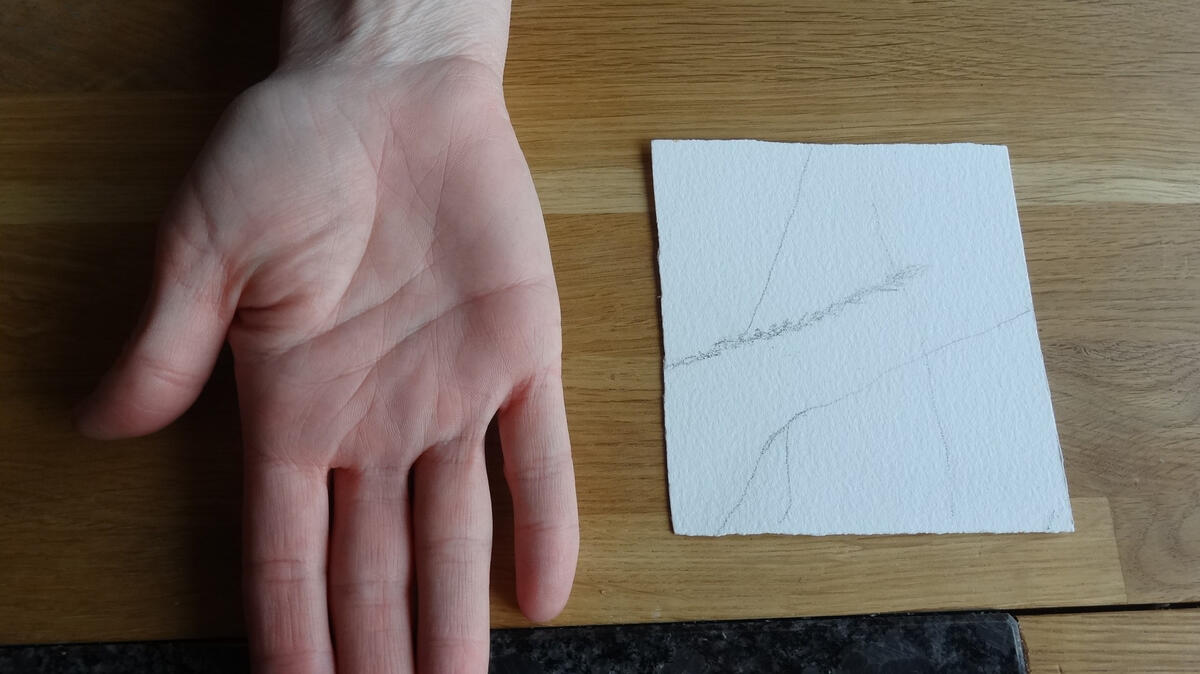
This exercise invites students to explore the connection between memory, imagination, the senses and place. By using the lines of the hand as a starting point, students enter an imagined landscape that may evoke personal memories of nature, atmosphere, movement, smell, sound and touch. The activity helps students notice how inner experiences and outer landscapes are connected, and how imagination can deepen our relationship with the more-than-human world.
Film & Reflection
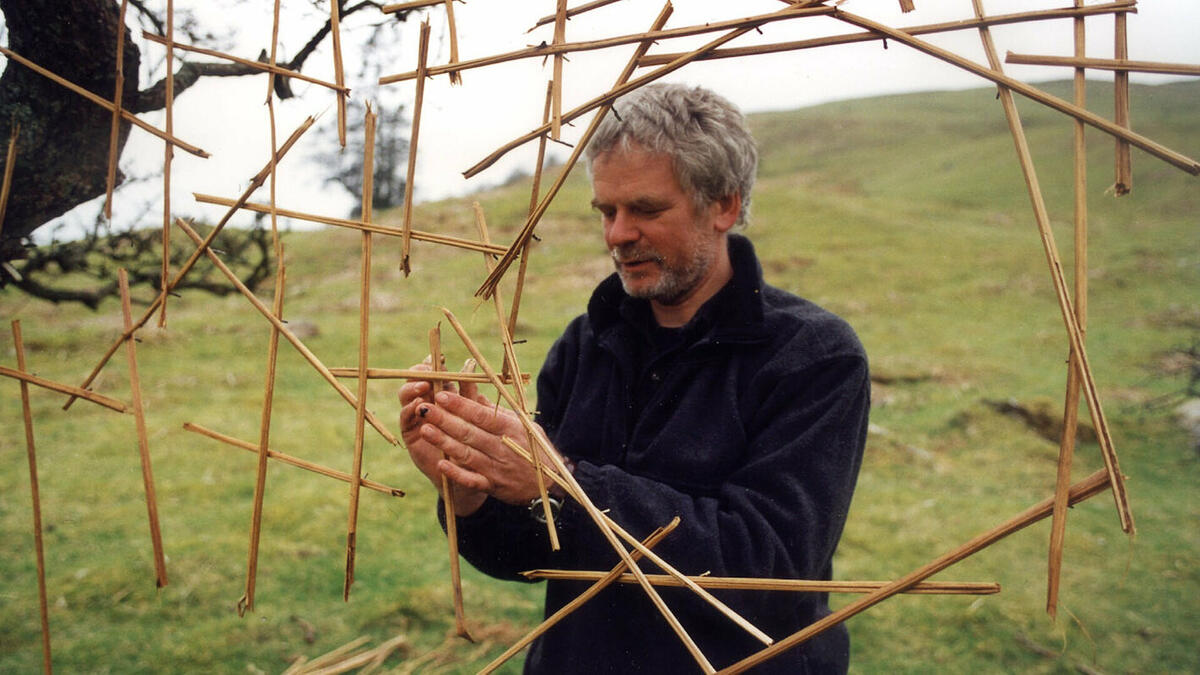
This activity helps students develop transit skills by exploring how meaning is created through observation, interpretation, and reflection. While watching Rivers and Tides, students use randomly selected keywords as lenses through which they observe the work and ideas of artist Andy Goldsworthy.
By connecting observations, associations, and personal interpretations to their chosen words, students practice attentive observation, sense-making, and reflective dialogue.
Open Exploration 2
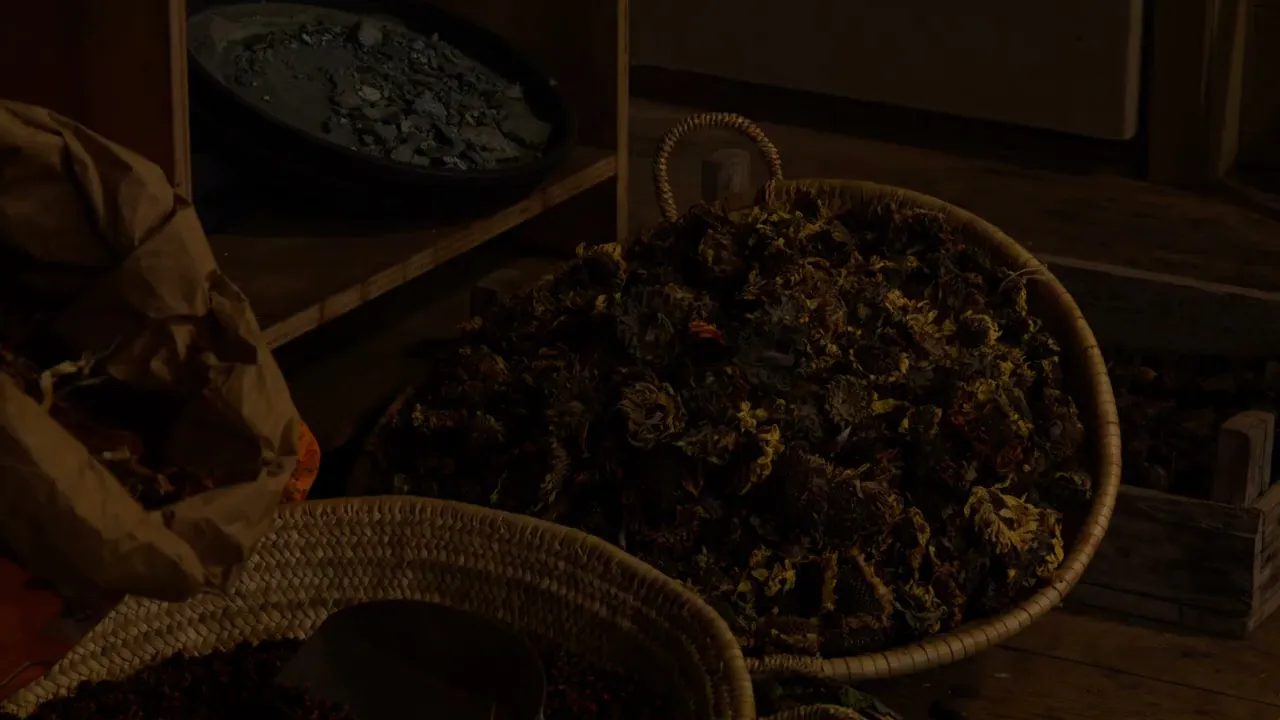
This activity invites students to engage directly with natural materials, traditional making processes, and sensory observation. By exploring a range of activity stations, students learn through doing, observing, experimenting, and participating.Rather than working toward a predefined outcome, students are encouraged to follow curiosity, develop attention, and discover connections between materials, landscape, craft, and making.
Silent Becoming
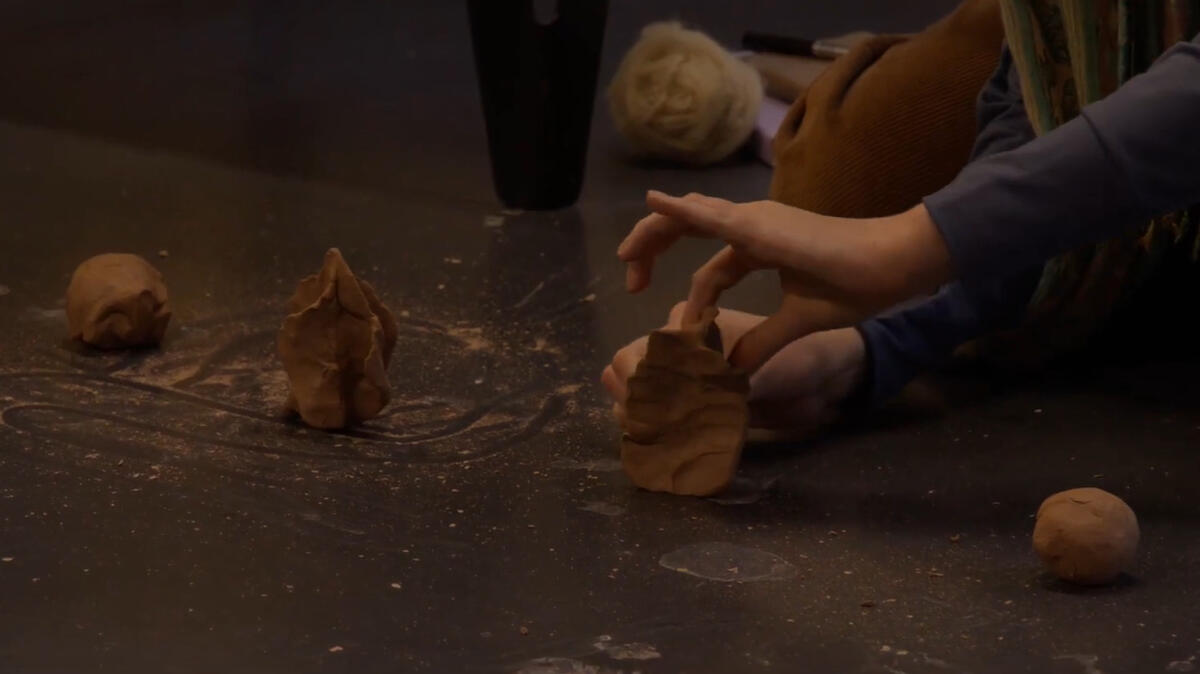
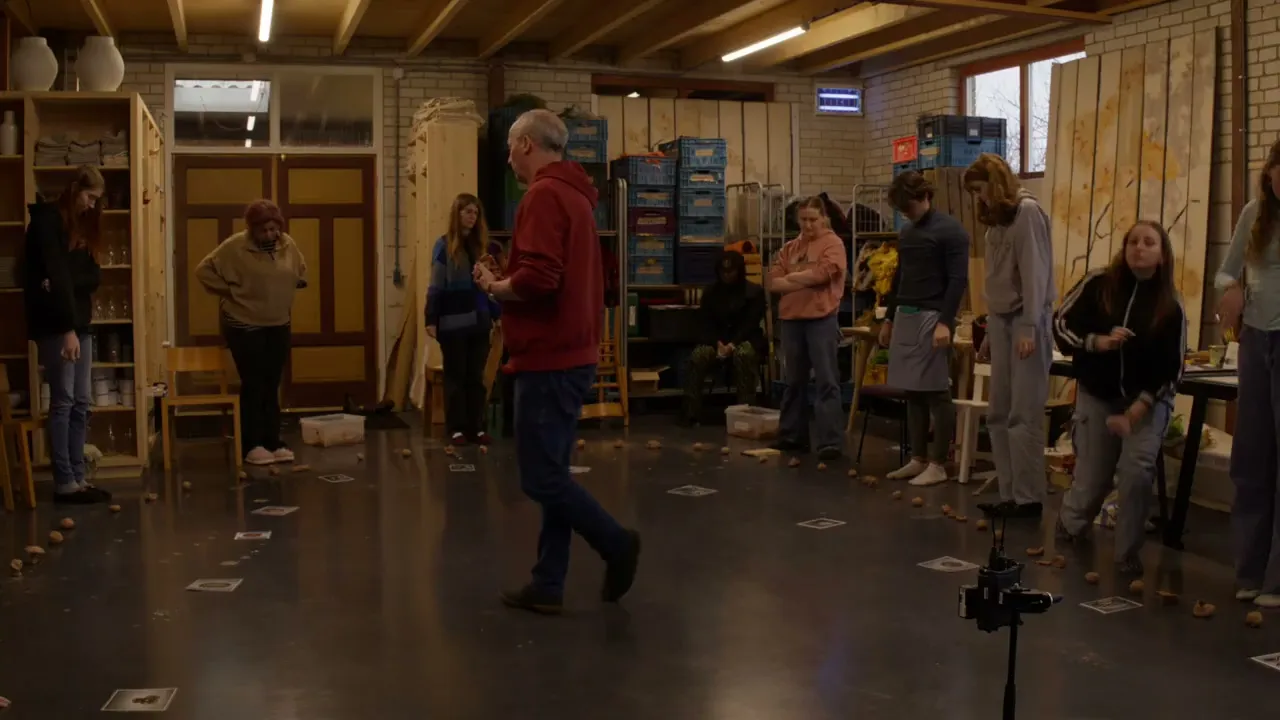
Silent Becoming invites students to explore processes of growth, decay, transformation, and emergence through collaborative clay sculpting. Working in silence, participants imagine how forms might evolve over time and build upon the work of others. The activity encourages observation, imagination, attentiveness, and comfort with uncertainty.Rather than creating a finished object, students participate in an unfolding collective process in which unexpected connections and new possibilities emerge.
How do we make sense of a world that no longer fits simple explanations?
Sh#ft Happens is an interdisciplinary honours course in which students from different educational backgrounds come together to explore the challenges and transitions shaping our world. Rather than approaching these challenges through a single discipline, participants learn to work with multiple perspectives, question assumptions, and engage with complexity.
Throughout the course, students investigate how systems, paradigms, language, and mental models shape the way we perceive and respond to the world. At the same time, they explore how their own values, beliefs, experiences, and assumptions influence the way they interpret societal challenges. Understanding a system is not only about understanding the world around us—it is also about understanding the lens through which we observe it.
After two preparatory sessions, the course moves into a three-day intensive in Winsum (Groningen). Here, students learn both in and about a real-world location. Through observation, dialogue, fieldwork, and engagement with local stakeholders, they explore how broader societal transitions become visible in a specific place and community.
Working together across disciplinary boundaries, participants learn how different perspectives can challenge, enrich, and transform their own thinking. They are invited to zoom out from individual problems and explore the larger patterns, relationships, and dynamics that underlie them.
Sh#ft Happens is ultimately about developing the capacity to navigate complexity with curiosity, awareness, and imagination. It encourages students to move beyond simple answers and engage more consciously with the transitions shaping the future.
Preperation Docs
Meeting 1
Meeting 2

Meeting 3 - 8 • 3-day Intensive In Winsum
Meeting 9

Student Products
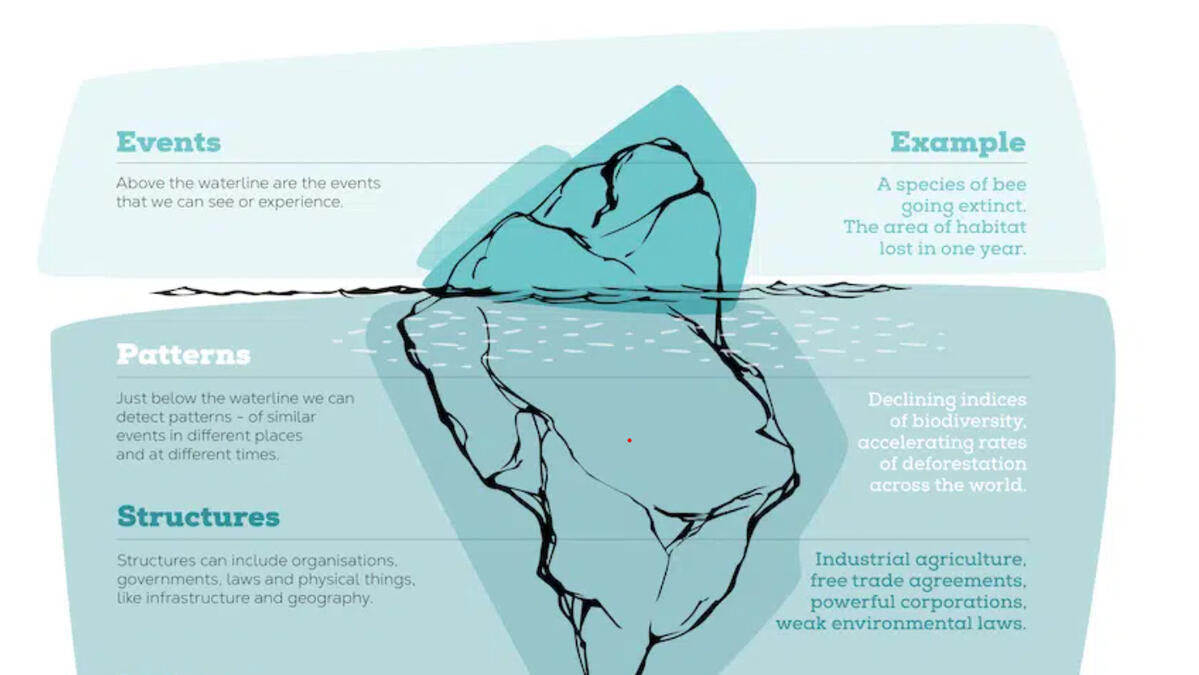
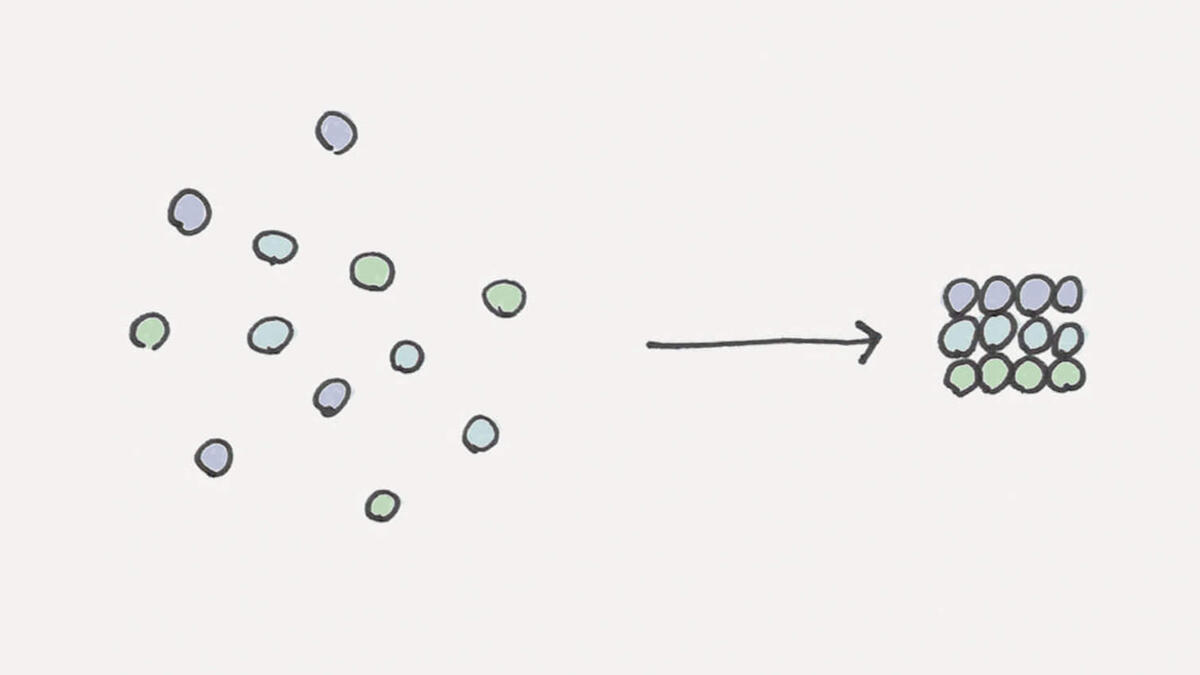
Systems Mapping Iceberg
This exercise helps students develop transit skills by learning to look beyond visible events and recognise the deeper systems that shape them: patterns, structures, and underlying beliefs.This supports them in making sense of complex societal issues and developing a more systemic perspective.
Transition Story
This exercise helps students to get to know each other by telling a story about a personal transitions and learning to listen to others.It supports self-awareness, empathy, and understanding how people experience change.
The (Un)Conscious Role of Beliefs
This exercise helps students develop transit skills by becoming aware of the role beliefs play in shaping perception and behaviour.Beliefs often operate below the surface and influence how we interpret situations, make decisions, and act—both consciously and unconsciously. By learning to recognise and examine beliefs, students develop a more open, inquisitive perspective and become aware that what feels “true” is often shaped by personal and cultural context.
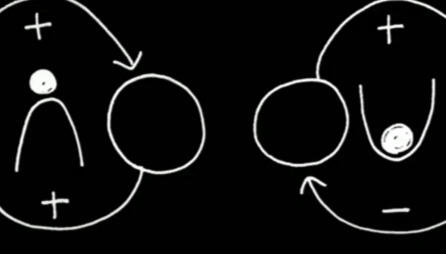
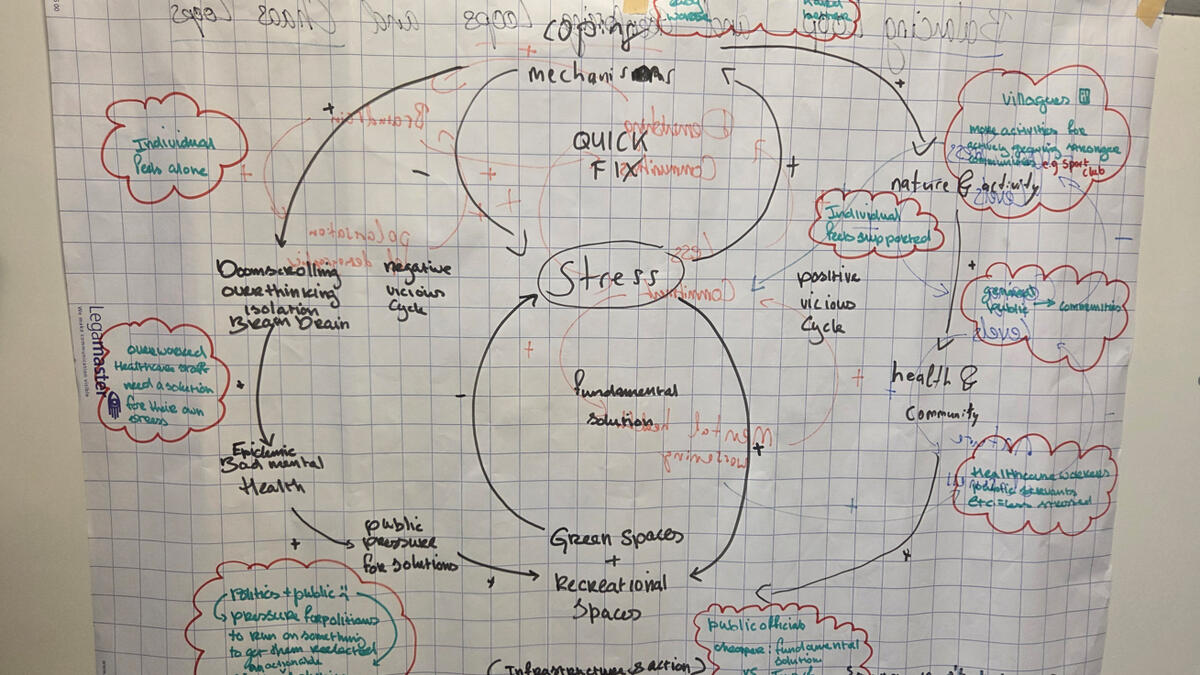
Causal Loop Diagram
This assignment helps students develop systems thinking by mapping relationships and feedback loops in a complex situation.Students identify key variables, understand how elements influence each other and recognize reinforcing and balancing loops.They are encouraged to explore how the system works and recognize patterns over time.
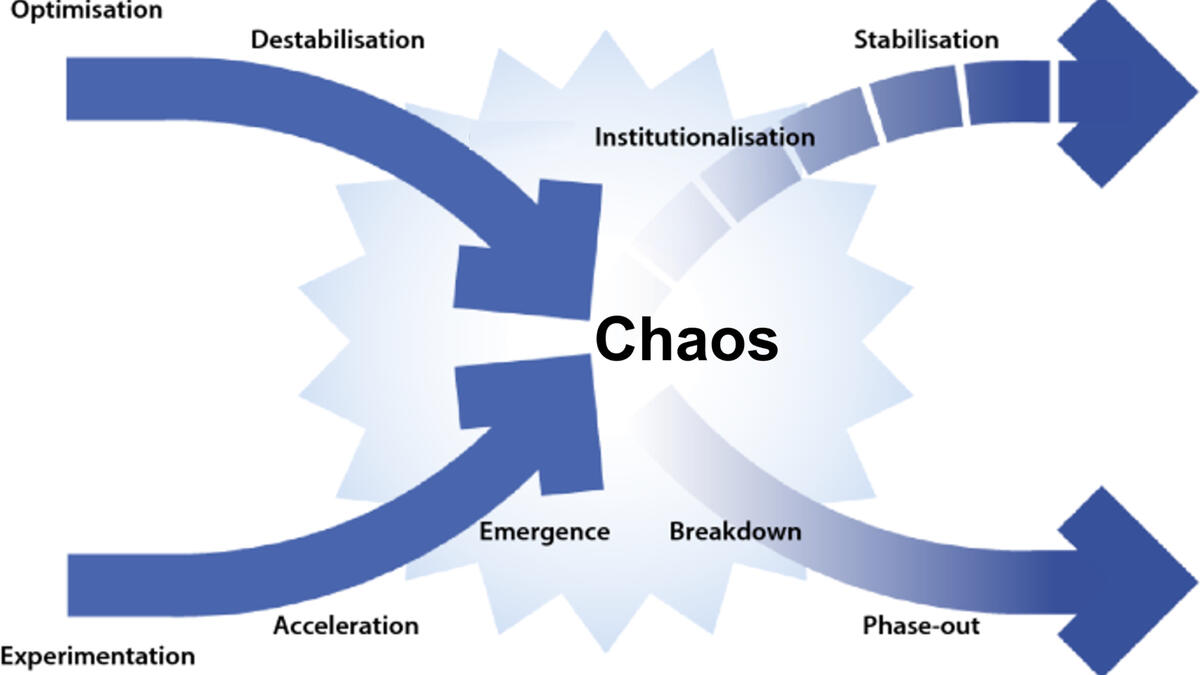
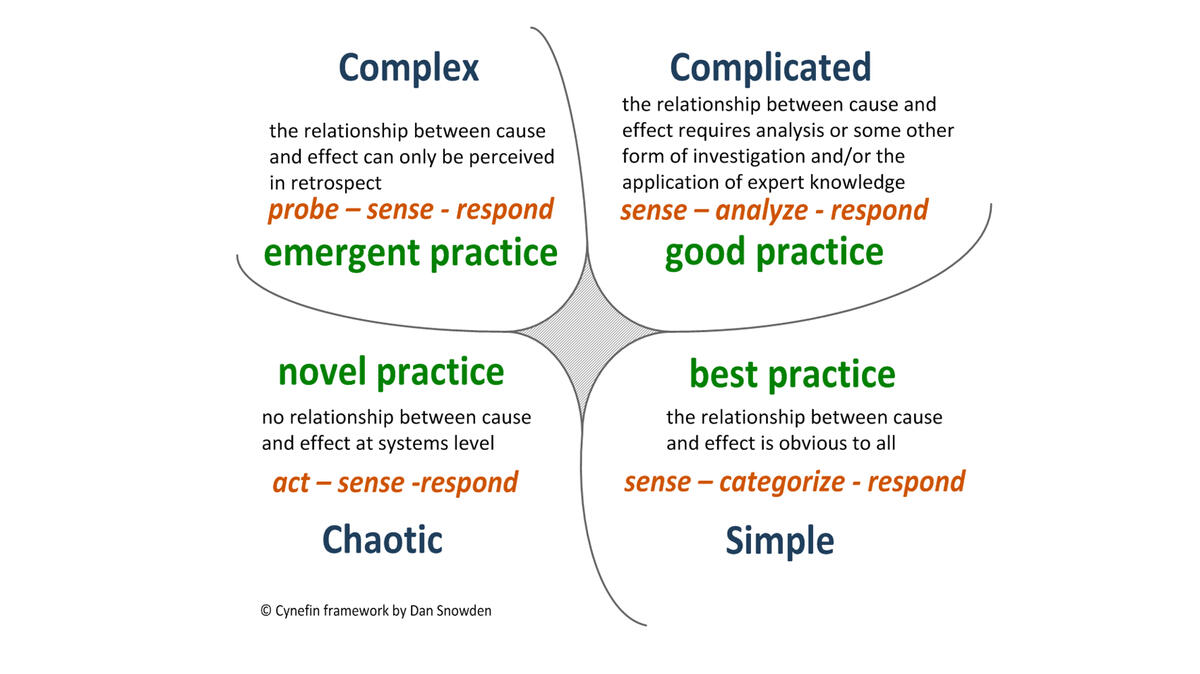
Complexity
This assignment helps students understand complexity using the Cynefin framework.
Students:
• Distinguish between simple, complicated, complex, and chaotic situations
• Recognize what makes a problem complex
• Identify areas for further exploration and possible intervention
They are encouraged to better understand the nature of their problem before acting.
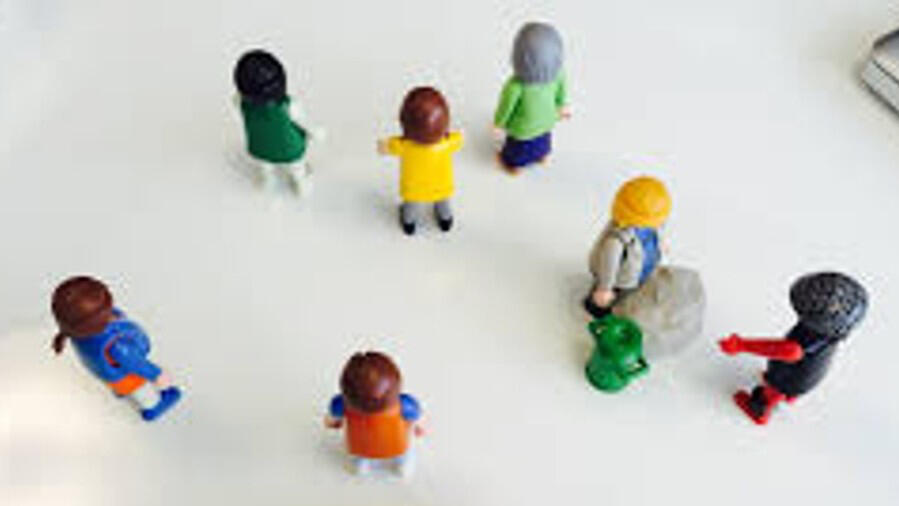
Constellations
This exercise helps students develop transition skills by exploring the relationship between themselves, their identity/purpose, and their chosen topic.
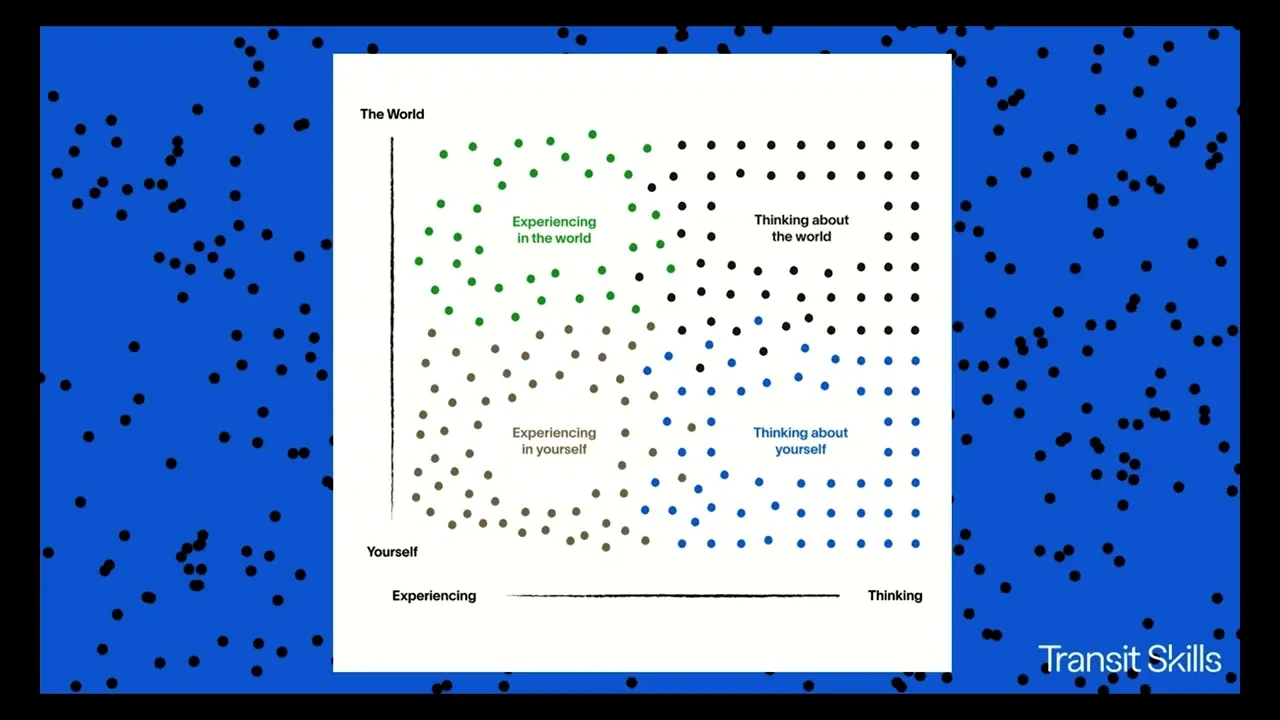
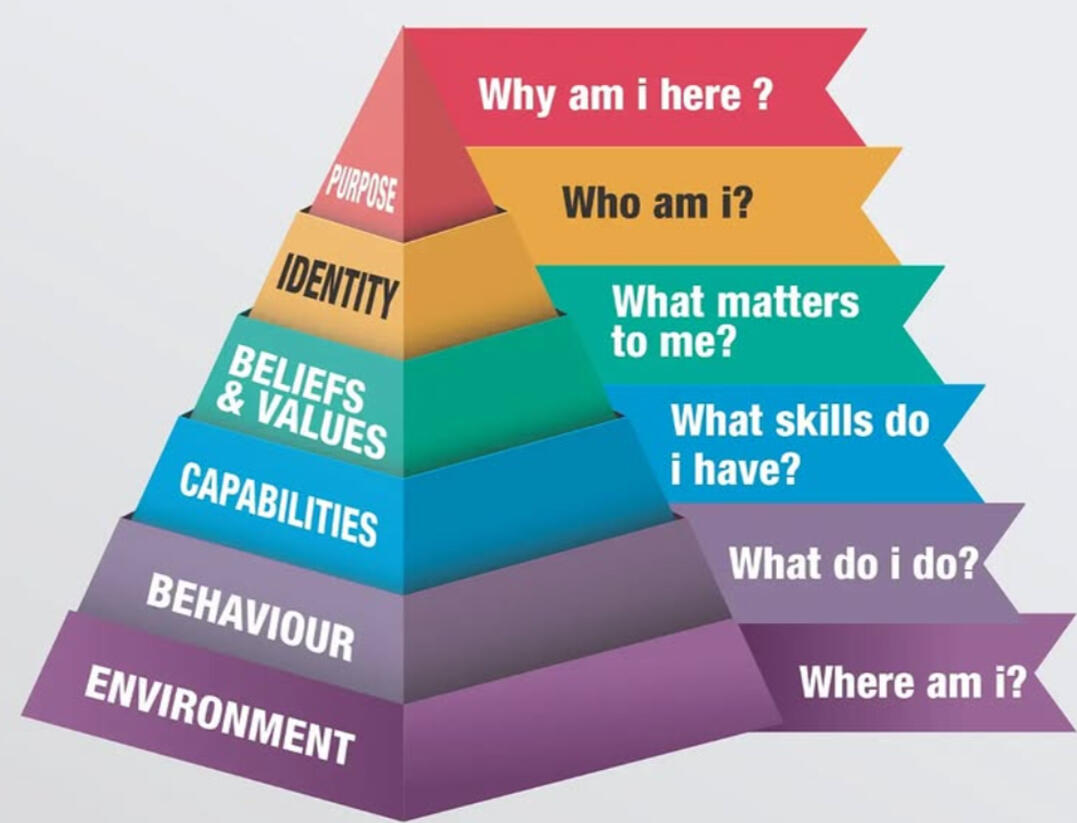
The exercise builds on Robert Dilts’ logical levels pyramid. The two highest levels — identity and purpose — are difficult to explore only through thinking and talking. They are mainly explored through direct experience, resonance, and embodiment: the left-hand side of the Transit Skills Canvas.
By working with constellations, students explore these levels experientially through spatial relationships, intuition, and reflection.
The Logical Levels
With this class assignment, students develop transit skills by reflecting on the different levels that shape their actions, choices, and sense of direction.
Students:
• Explore the Logical Levels model
• Reflect on their own values, beliefs, identity, and purpose
• Understand how deeper levels influence behavior and actionRather than only looking at what they do, students learn to explore why they act, what drives them, and how this connects to their role in transition.
Transition Models X S MLP
In this assignment, students will map the professional field around their project(s). They will identify relevant domains, analyse their current network, and discover gaps and opportunities for growing their network.
Systems Mapping & Backcasting
This assignment helps students develop transit skills by learning to understand and navigate complex systems, and to apply backcasting from a desired future.
Students improve their ability to map systems and feedback loops. They gain insight into stakeholders and mental models and are encouraged to recognize patterns, understand underlying drivers, identify leverage points for change, and connect these to a long-term vision.
Final Presentation
This exercise helps students develop transit skills by learning to look beyond visible events and recognise the deeper systems that shape them: patterns, structures, and underlying beliefs.This supports them in making sense of complex societal issues and developing a more systemic perspective.
Systems - Far from Equilibrium
Students develop transit skills by understanding systems as dynamic processes rather than static things.
Students:
• Explore inflows and outflows
• Understand how systems move toward equilibrium
• See how some systems maintain structure far from equilibriumRather than solving problems, students learn to recognize patterns and understand how systems sustain themselves over time.
How do you build a sustainable professional practice without losing yourself in the process?
Inside Out Outside In is a 14-week course that helps students explore the relationship between their inner world and the world around them. The course is based on the idea that professional development is not only about acquiring knowledge and skills, but also about understanding who you are, what drives you, how you relate to others, and how you can contribute meaningfully to the world.
Throughout the course, students work on their own projects while exploring themes such as identity, purpose, values, self-awareness, collaboration, experimentation, and real-world engagement. Through reflection, dialogue, creative exercises, and hands-on experiences, participants learn how personal development and professional development continuously influence one another.
A distinctive element of the course is its strong emphasis on learning beyond the classroom. During the past two years, the course has been offered in four consecutive semesters. In each semester, students participated in three or four field trips, visiting artists, social initiatives, cultural organizations, entrepreneurs, and other inspiring practitioners. These encounters create a sense of urgency and purpose: students prepare by researching the people, organizations, and contexts they will encounter, formulate questions, and connect the visits to their own projects and interests.
The field trips also provide rich material for collective reflection. Through conversations, reflective assignments, and group dialogue, students explore what they have observed, what surprised them, how different professionals approach their work, and what insights they can apply to their own development. In this way, the outside world becomes an active learning environment that continuously feeds both personal growth and professional practice.
Preperation Docs
assignments





Student Products
TIBETAN WALK
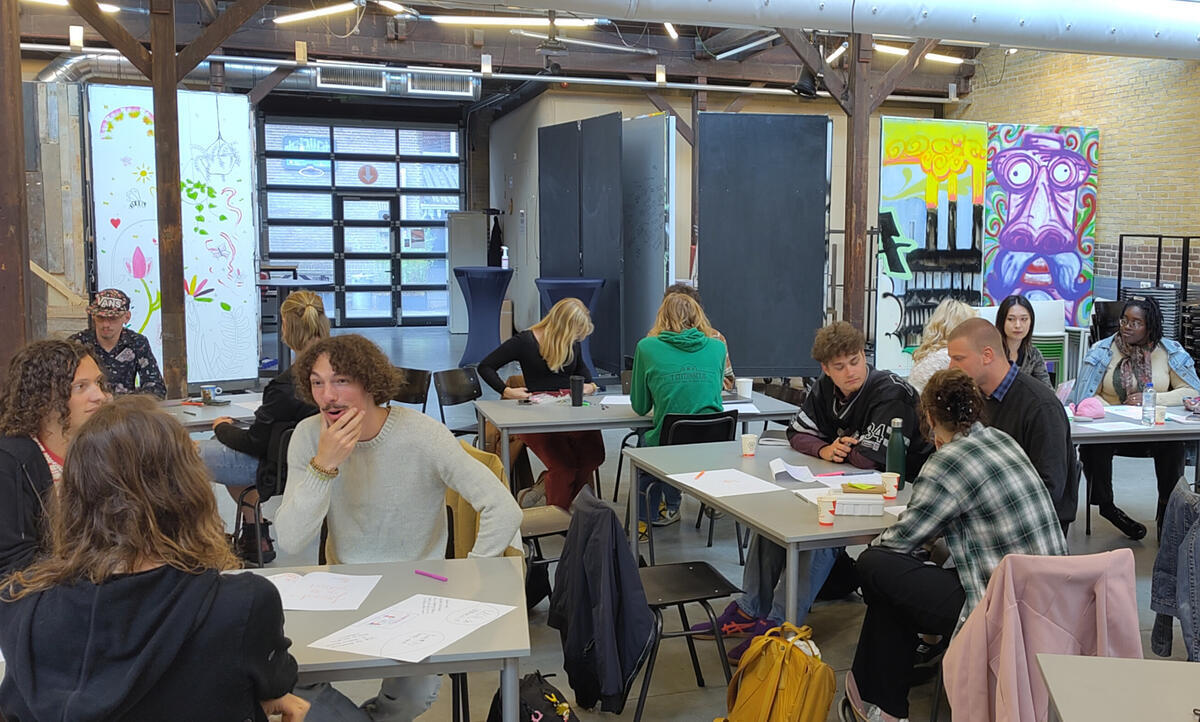
This exercise is designed to help you get to know each other better by sharing an important experience in your life. It's an opportunity to learn more about each other and to later introduce your partner.
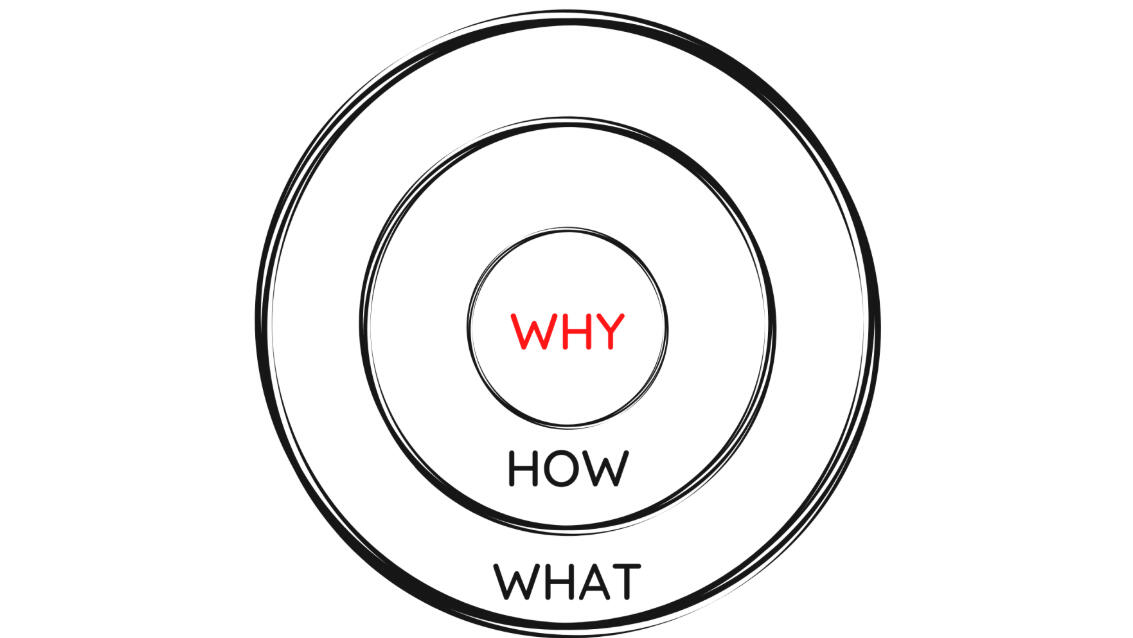
GOLDEN CIRCLE
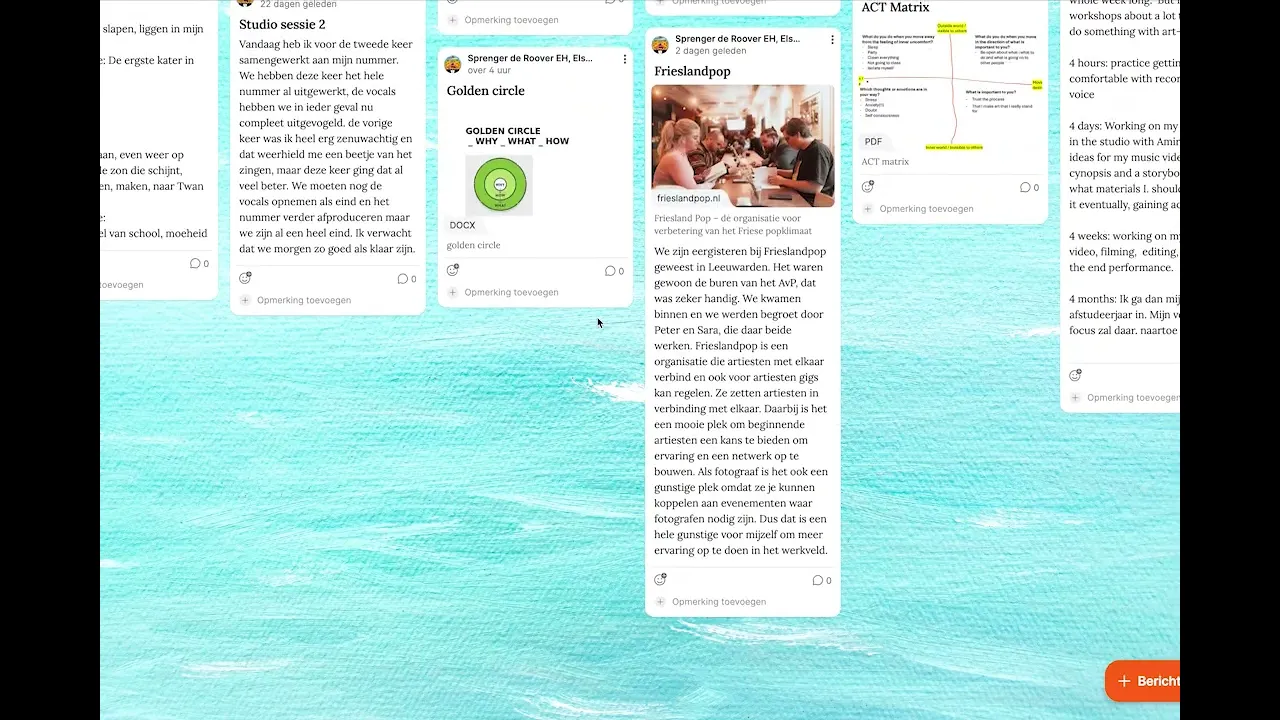
This exercise helps students reflect on their personal motivations and values. By using the Golden Circle, students learn how to communicate their story starting from their purpose (Why) rather than just describing what they did.
MAP YOUR SCENE
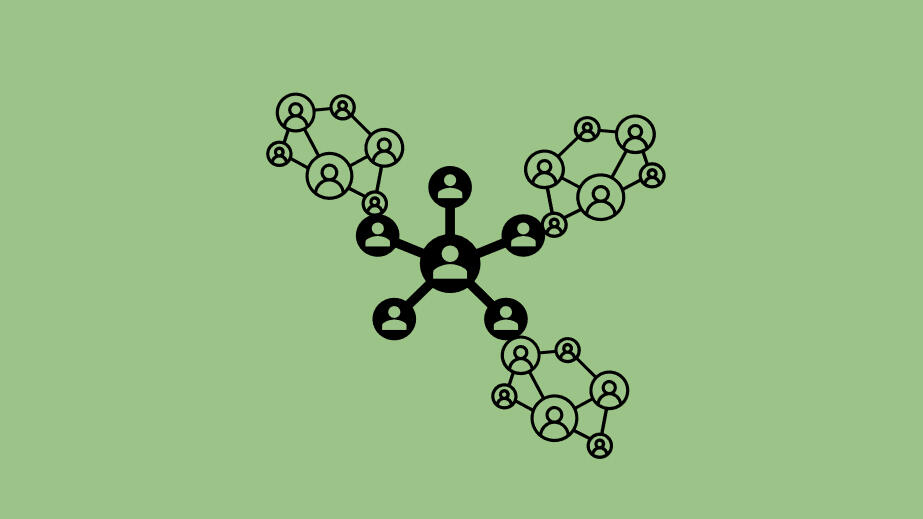
In this assignment, students will map the professional field around their project(s). They will identify relevant domains, analyse their current network, and discover gaps and opportunities for growing their network.
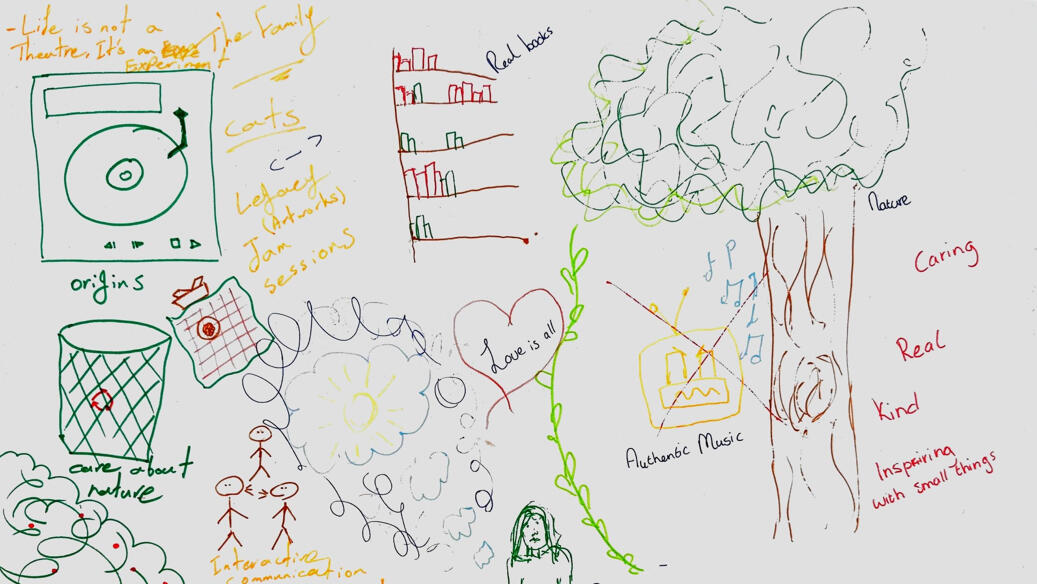
DRAW YOUR DREAM
In this assignment, students will explore their sense of purpose by reflecting on what they want to leave behind through your work and presence. They will translate this into a visual and conceptual statement about your impact.
MARKET - ASSETS & NEEDS
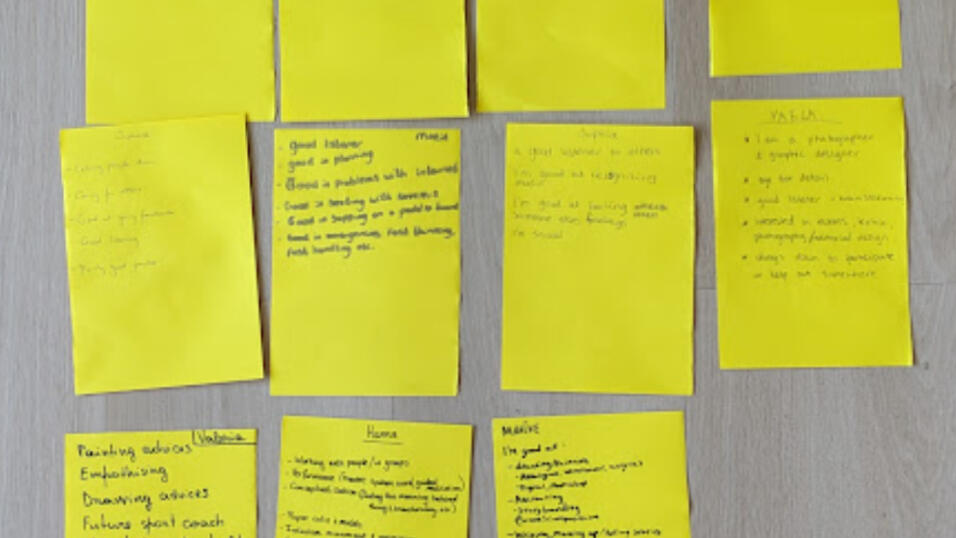
In this assignment, students will map what they already have (their assets), what they still need, and how their network – in the classroom - can help them move their project forward.
The goal is for them to connect their ambitions to real opportunities for collaboration and support.
VALUES FROM HOME
In this assignment, students will explore the values that have shaped them through their upbringing and culture. They will reflect on how these values influence their thinking, behaviour, and professional development today.
COMPANY VISIT
In this assignment, the student will prepare for a company visit by researching the organisation, its people, and the networks they operate in. The student will connect this information to their own goals and translate their interests into concrete questions.
MAP YOUR PROJECT
In this assignment, students will map the professional field around their project(s). They will identify relevant domains, analyse their current network, and discover gaps and opportunities for growing their network.
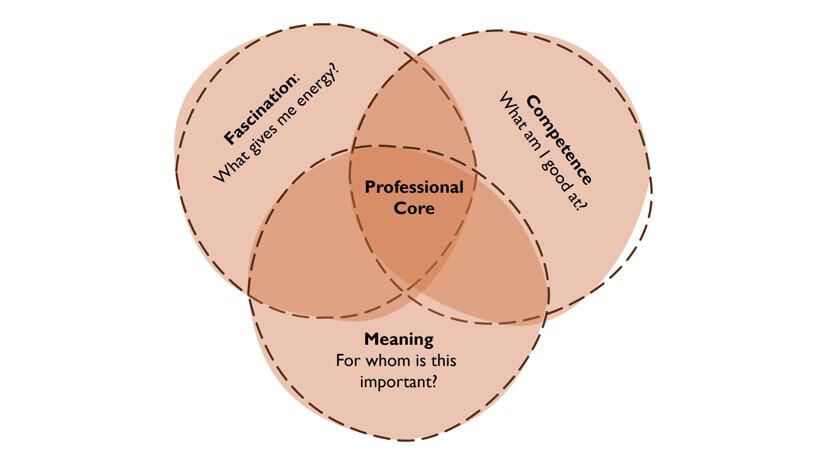
SPHERES OF IDENTITY
In this assignment, students will explore your professional identity. You will work out the three spheres separately and conclude with an integrated final reflection. Use concrete examples from your work, projects, or experience.
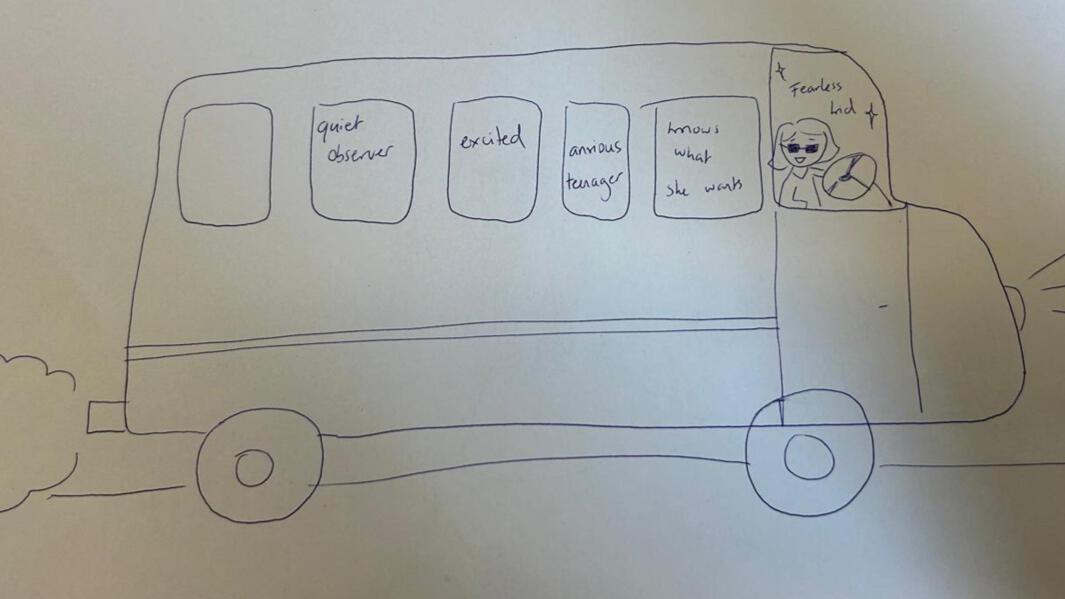
THE 5 ME'S ON THE BUS
This exercise helps students develop transit skills by becoming aware of the different ways they show up in changing situations. In transitions—such as moving between contexts, roles, or environments—different “Me’s” can take the lead.
By recognising these patterns, they learn to navigate these moments more consciously, choose how you respond, and take more intentional control over their actions and direction.
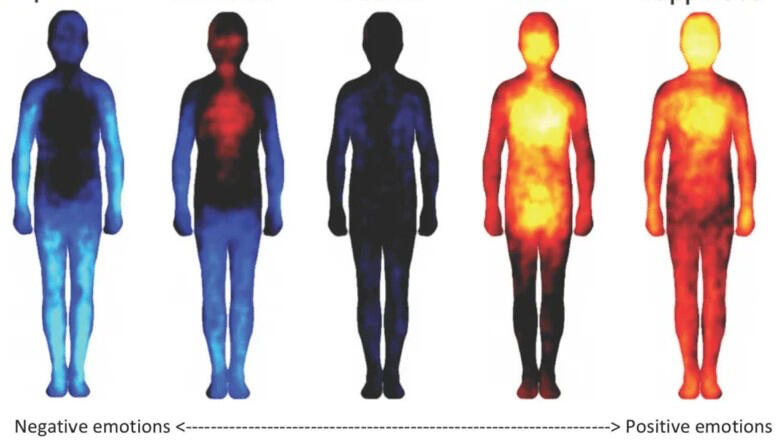
THE BODY AWARENESS JOURNAL
This exercise helps students to become aware of moments that stand out in their experience and recognise how the body responds in real time.
By paying attention to these signals, students can respond more consciously instead of reacting automatically.
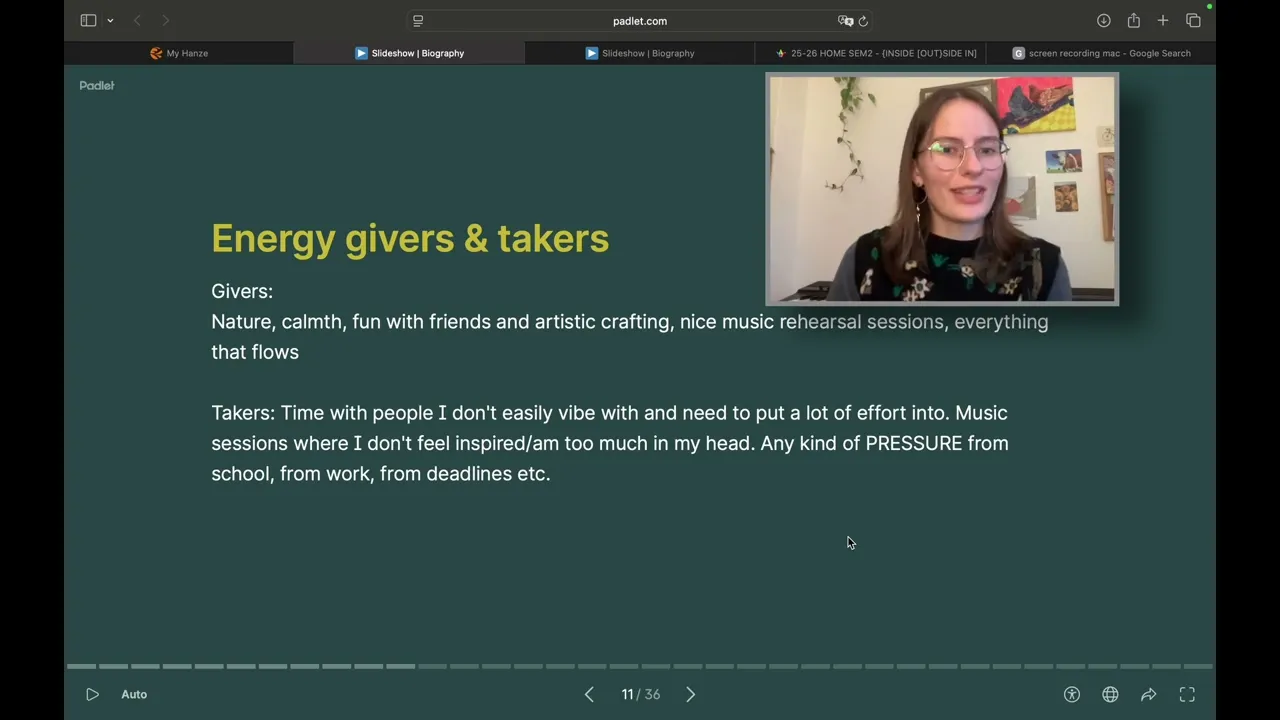
ENERGY GIVERS AND GUZZLERS
This exercise helps students to become aware of what gives them energy and what drains it. In uncertain times this awareness supports more intentional choices and better self-management.By recognising patterns in their energy, students gain insight into their strengths, preferences, and potential areas for change.
BRAND YOURSELF
This exercise helps students develop transit skills by becoming aware of how they are perceived by others. In new contexts, such as a study or workplace, this perception influences how they connect and position themselves.
By reflecting on their personal brand, students learn how their behaviour and communication shape this perception and how they can use this more consciously.
THE DAILY SELF-CHECK
This assignment supports students in reflecting on their daily experiences and becoming more aware of what gives them a sense of meaning and fulfillment. It helps them recognise patterns across different areas of their lives rather than focusing on a single moment.
Student Products
What happens when we step outside our everyday surroundings and look at our projects—and ourselves—in a different way?
The Transit Skills Nieuwolda elective is designed to help students build a sustainable personal and professional practice, regardless of the field, discipline, or domain in which they are active. Rather than focusing only on professional knowledge and skills, the course invites participants to explore the relationship between themselves, their work, and the world around them.
Nieuwolda is a multidisciplinary elective course consisting of three lessons and a three-day intensive in the village of Nieuwolda, Groningen. Throughout the course, students work on their own projects while exploring how direct experience, reflection, dialogue, experimentation, and engagement with the real world can contribute to both personal growth and professional development.
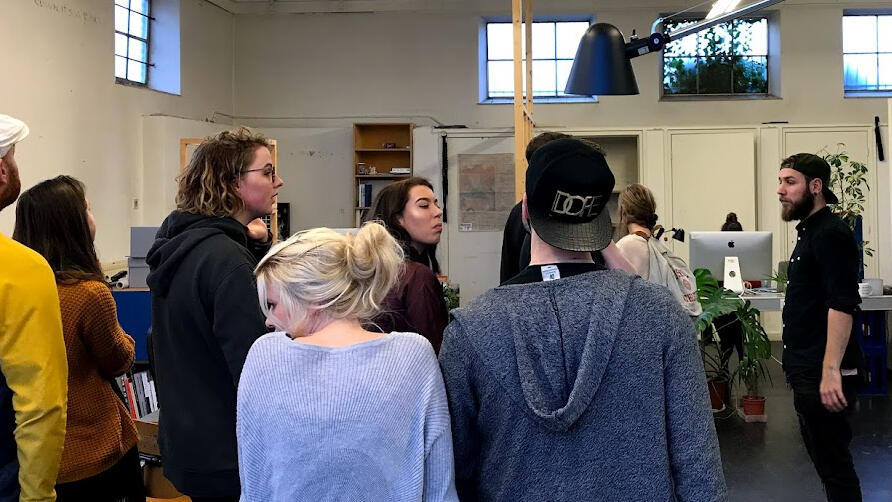
The three-day intensive forms the heart of the course. During these days, students live and learn together in a new environment, using their senses to connect with the landscape, local community, fellow participants, and themselves. Through walks, creative exercises, conversations, observation, and collaborative activities, they gather experiences and insights that help them better understand both their projects and their own ways of learning and working.
The course encourages students to become more aware of their values, motivations, strengths, limitations, and aspirations. At the same time, they learn to engage with uncertainty, navigate new situations, and develop a deeper understanding of the systems, people, and environments they work within.
The experiences gathered throughout the course serve as inspiration and input for the next steps in their projects, helping them move forward with greater clarity, awareness, and purpose.
Preperation Docs
Meeting 1

Meeting 2
Meeting 3 - 9 • 3-day Intensive in Nieuwolda
Student Products
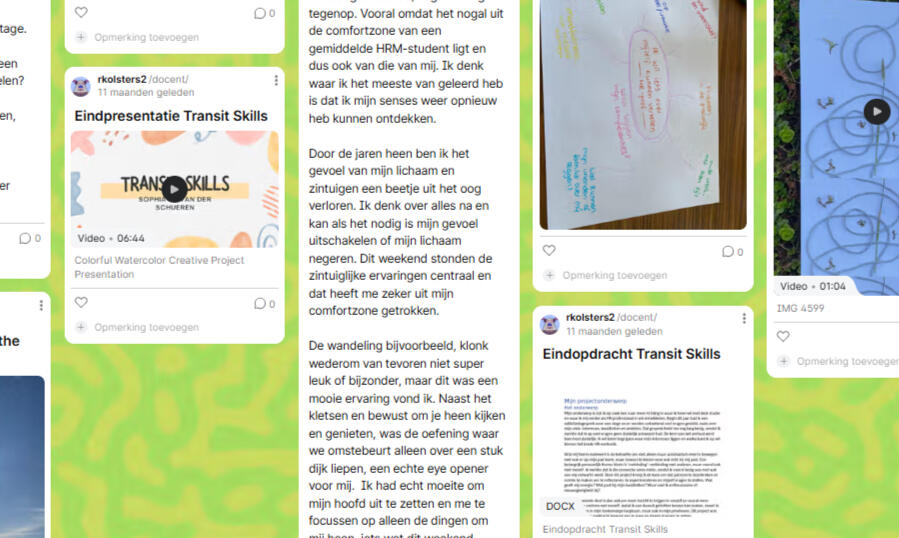
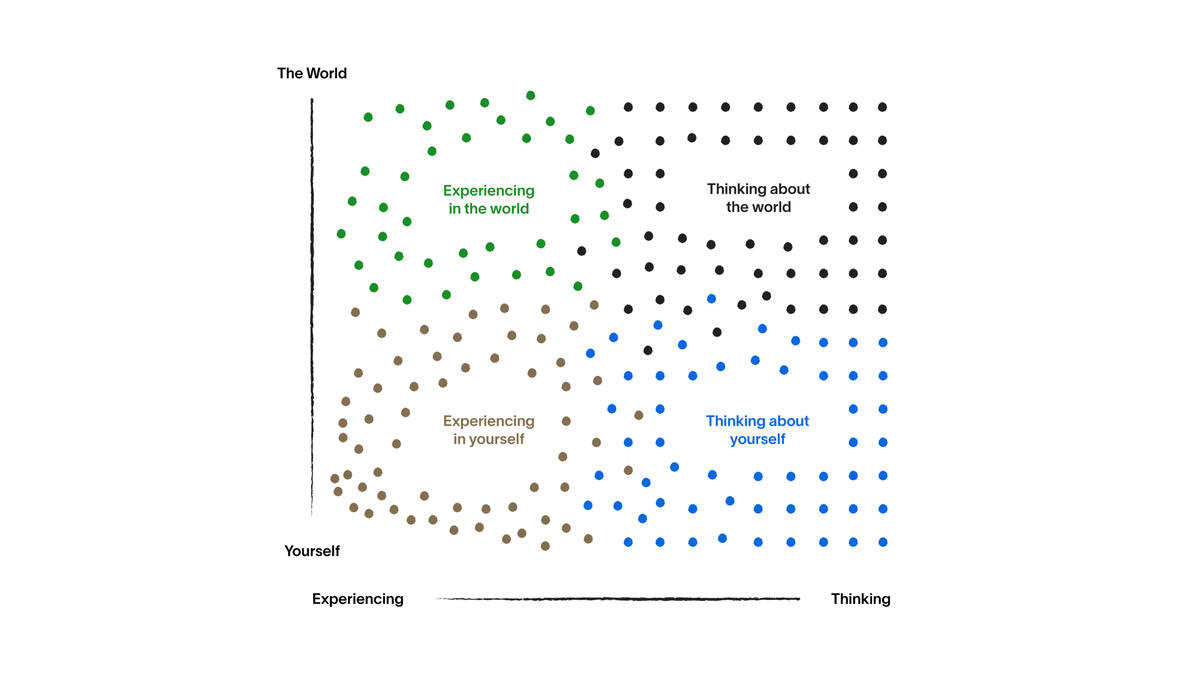
Fundamental Principles - The Transit Skills Canvas
In this session, students are introduced to the fundamentals of experience and the Transit Skills Canvas as a lens for understanding how they relate to the world.
Students:
• Explore sensing vs. thinking
• Distinguish between experience and conceptualization
• Recognize attention between self and world
• Become familiar with the four quadrants
The aim is to provide a lens for understanding themselves, others, and the systems they engage with.
Great Expectations
In this session, students reflect on what they hope to learn, experience, and develop during the course.
By making personal expectations visible and clustering them together, students gain insight into:
• their own motivations and learning goals
• shared interests within the group
• the diversity of perspectives and ambitions present in the course
The assignment helps create ownership, group awareness, and a shared starting point for the learning journey.
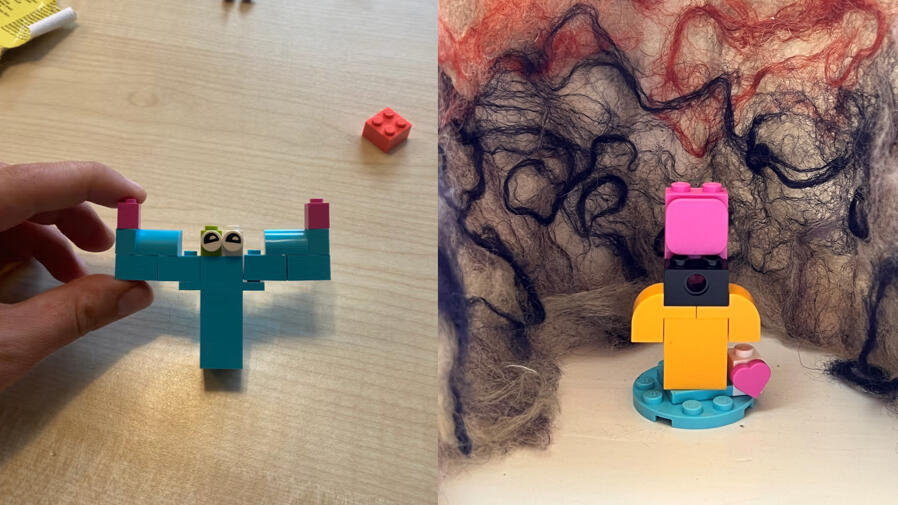
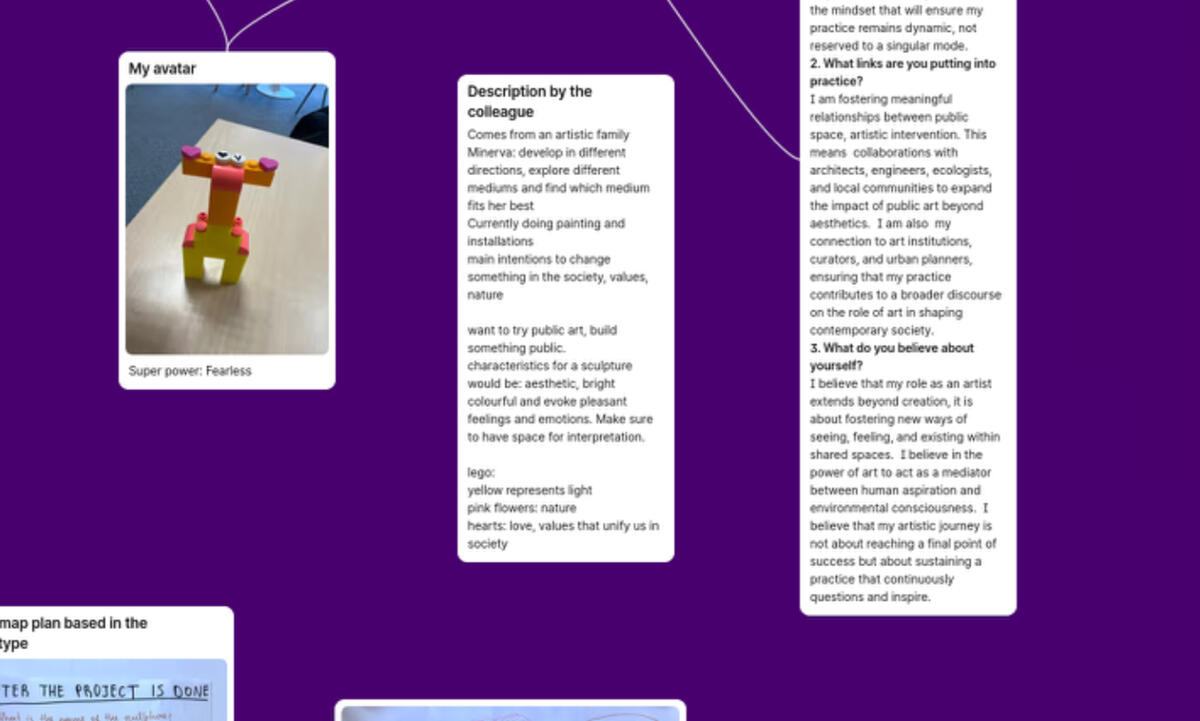
Future You
This exercise helps students develop transit skills by reflecting on the behaviours, skills, and beliefs needed to navigate an upcoming project or transition.
By envisioning a future version of themselves, students explore how personal growth, mindset, and action are connected within processes of change and development.
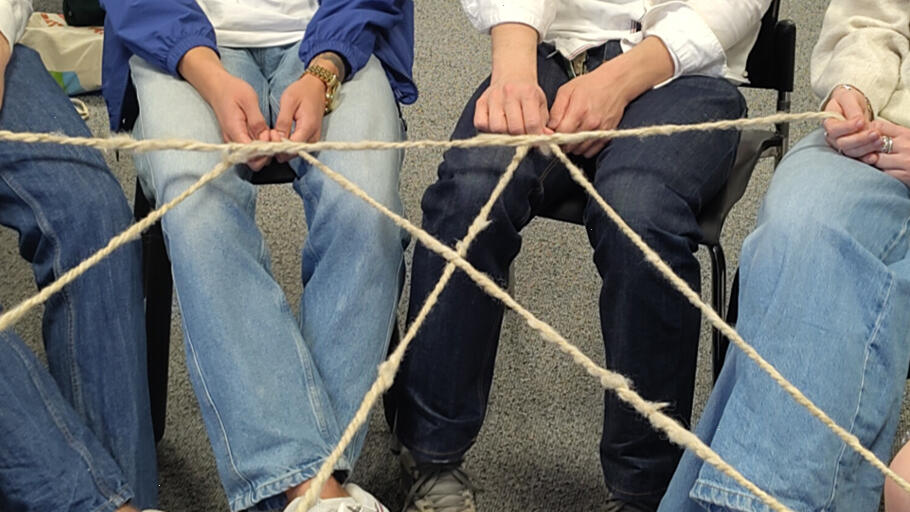
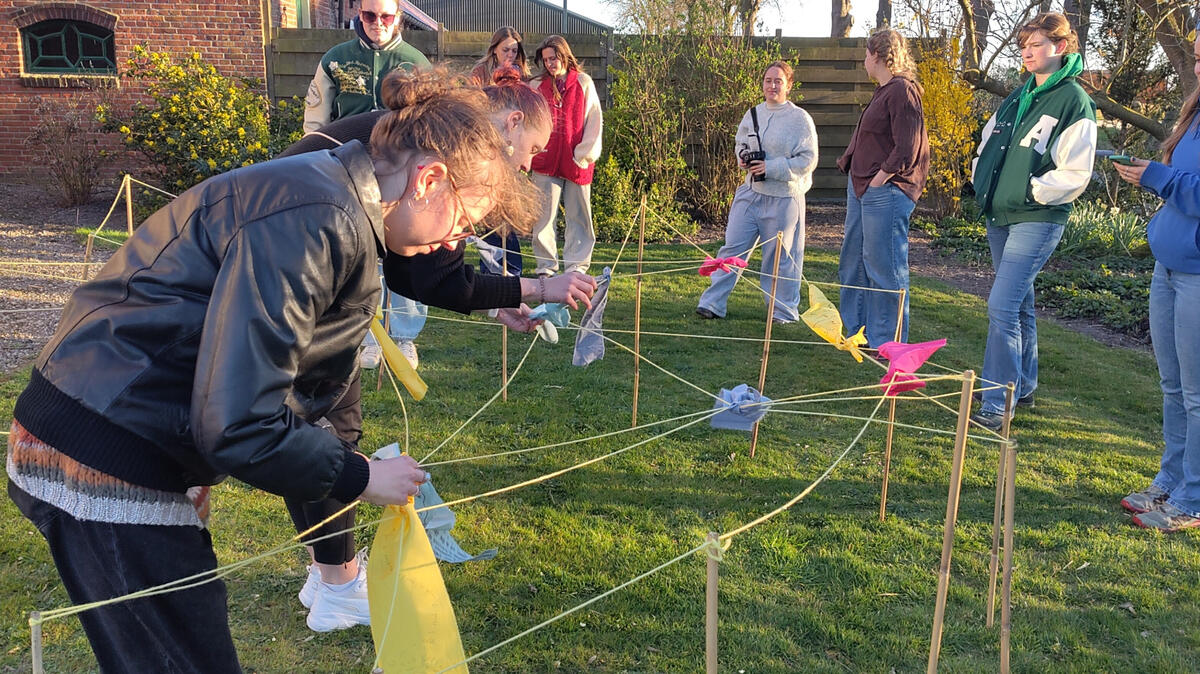
The Check-In Web
This exercise helps students develop transit skills by strengthening awareness, presence, and connection.
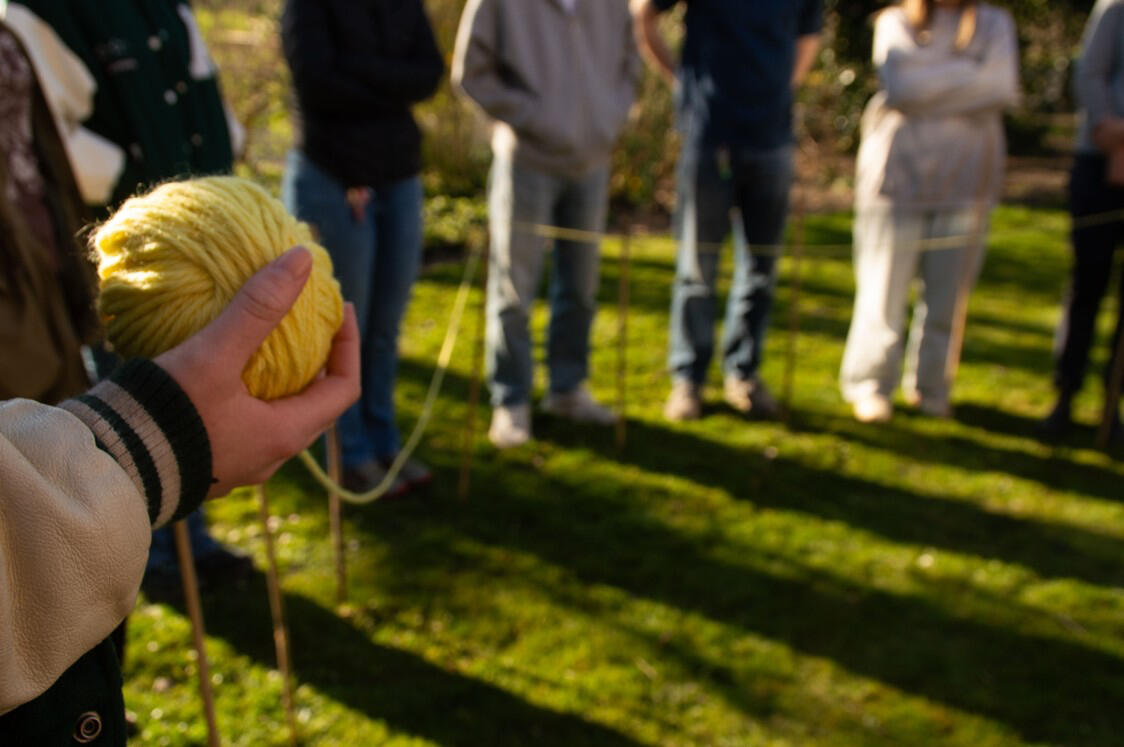
By focusing on sensory experience and listening to others, students practice slowing down, opening their senses, and becoming aware of how they are connected to a larger group and environment.This assignment forms the starting point for follow-up web rituals developed during the following meetings.
The Check-In Web 2
This exercise helps students develop transit skills by collectively creating a temporary web of stories, presence, and connection within a shared place. Through listening, storytelling, and making together, students experience how relationships and group coherence gradually emerge.By repeating and expanding the web throughout multiple days, the exercise becomes a shared ritual carrying a form of embodied and experiential knowledge that is valuable within processes of transition and collective learning.
Potluck Dinner
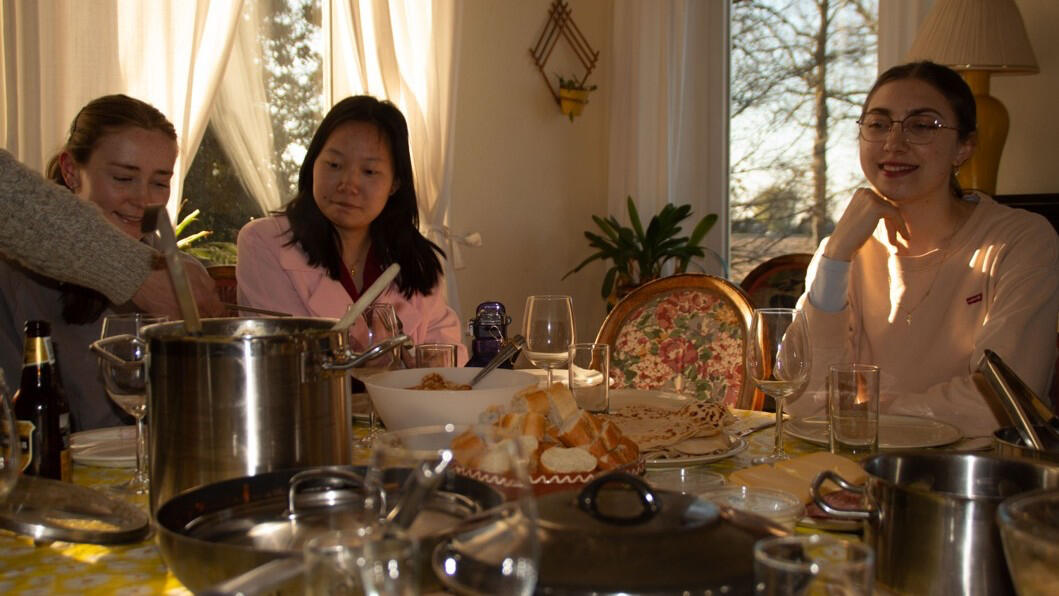
This exercise helps students develop transit skills by collectively creating a shared meal through contribution, storytelling, and informal community building. Each student brings food connected to their own background, culture, family, or personal story to share with the group.Through eating, sharing, and caring for the shared space together, students experience how connection, reciprocity, and temporary community can emerge through simple collective rituals and everyday actions.
Sensory Walk
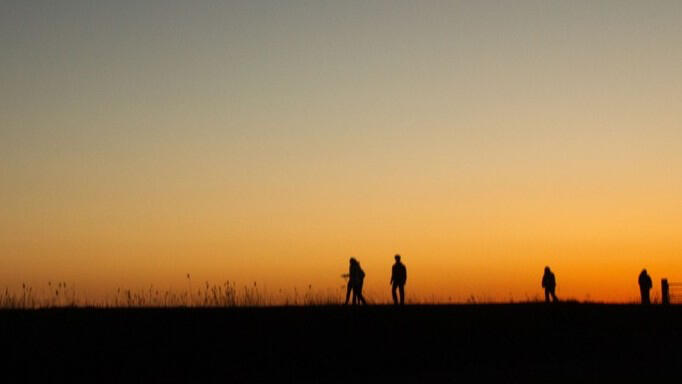
This exercise helps students develop transit skills by strengthening sensory awareness, presence, and attentiveness to both themselves and their environment.The walk combines collective movement and social connection with a period of quiet solo walking focused on direct sensory experience. By temporarily stepping away from conversation, stimulation, and distraction, students practice slowing down and becoming more aware of sounds, bodily sensations, movement, light, atmosphere, and the surrounding landscape.
Project Accelerator
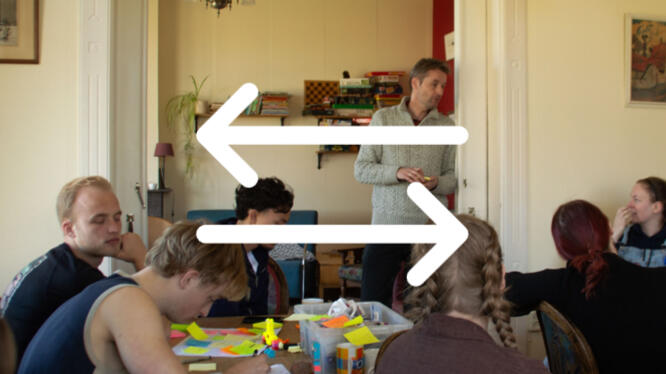
This exercise helps students develop transit skills by rapidly exploring, prototyping, and strengthening their project ideas through experimentation, collective intelligence, and action.
Large or complex projects often make it difficult to know where to begin. By chunking projects down into concrete questions, prototypes, actions, and connections, students experience how complex projects benefit from starting small.
The exercise emphasizes that projects develop through iteration, collaboration, feedback, and shared knowledge rather than through isolated planning alone.
Felt Impressions
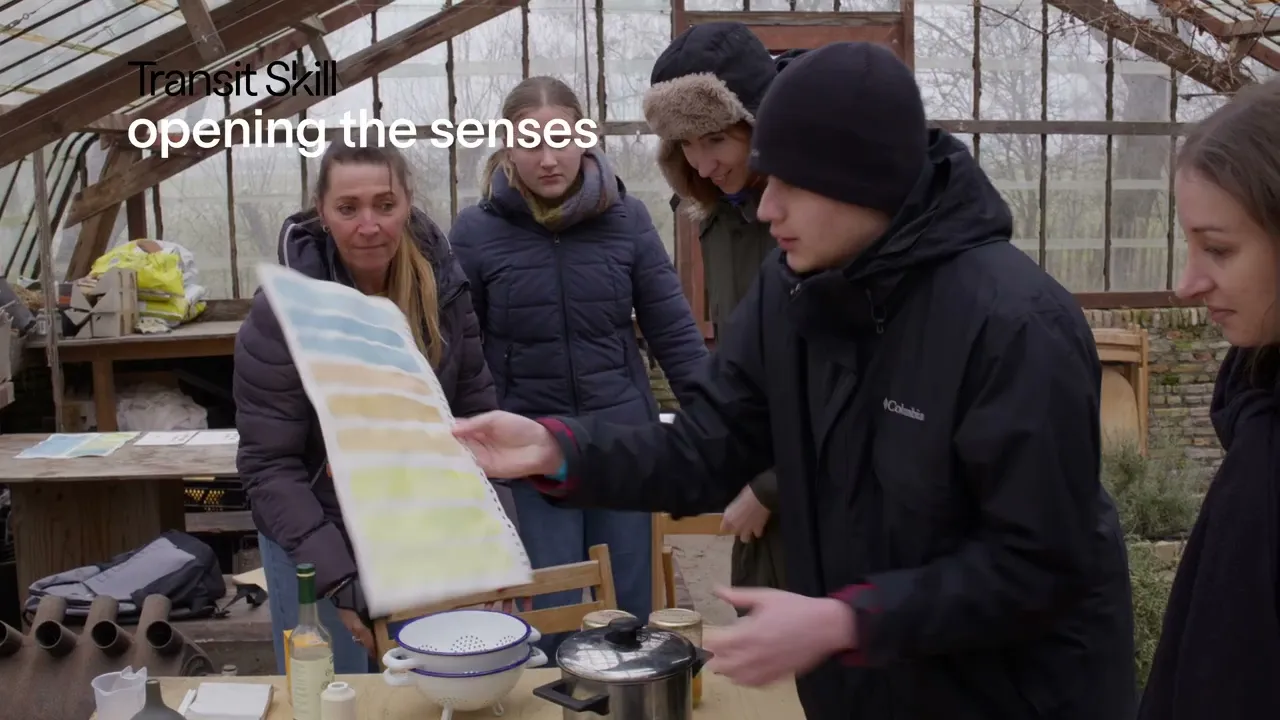
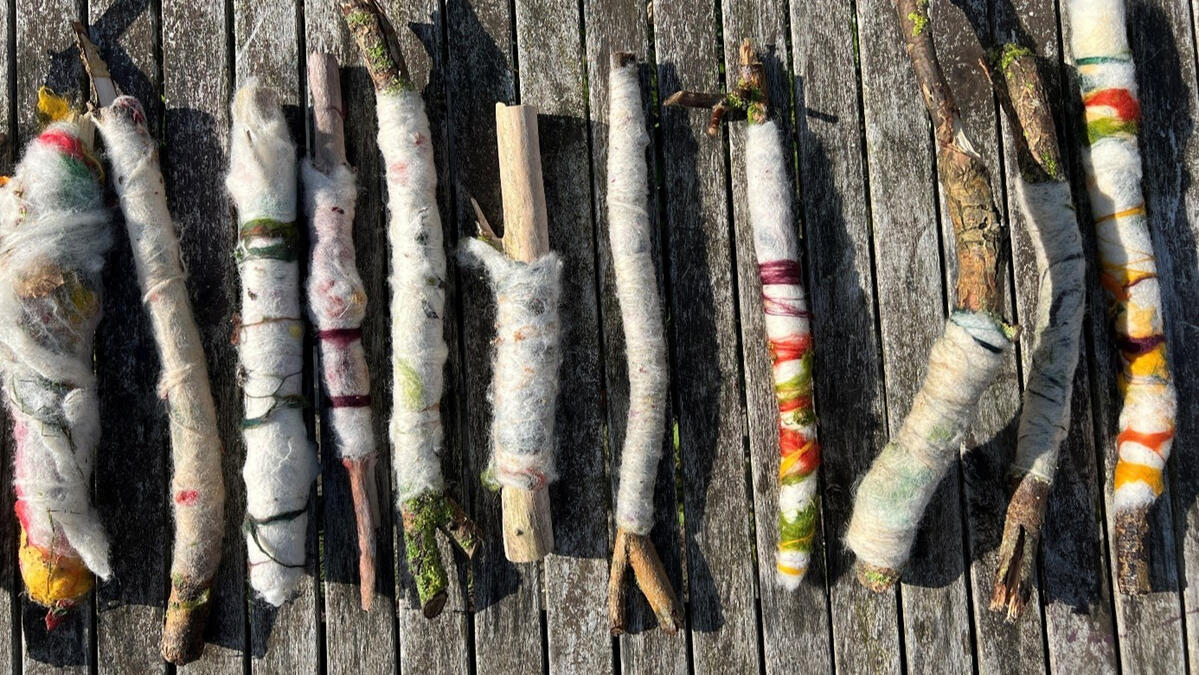
This exercise helps students develop transit skills by strengthening sensory awareness, embodied making, and connection to natural materials and place. Using wool, water, plants, texture, and found objects, students create a felt work that is connected to the area.Working sensorially and with the hands can help increase presence, reflection, creativity, self-awareness, connection to the environment, and stress reduction. The exercise emphasizes that meaningful learning and reflection do not only emerge through thinking, but also through touch, movement, material interaction, and direct experience.
The Poetic Web
This exercise helps students develop transit skills by practicing deep listening, reflection, poetic interpretation, and collective meaning-making. Through interviewing one another about their created work, students learn to attentively listen to another person’s experiences, emotions, reflections, and interpretations.
By transforming these conversations into poems and hanging them together within the shared web, the exercise creates a collective ritual of recognition, care, and shared presence. The poetic flags become visible traces of the group process.
Botanical Explorations
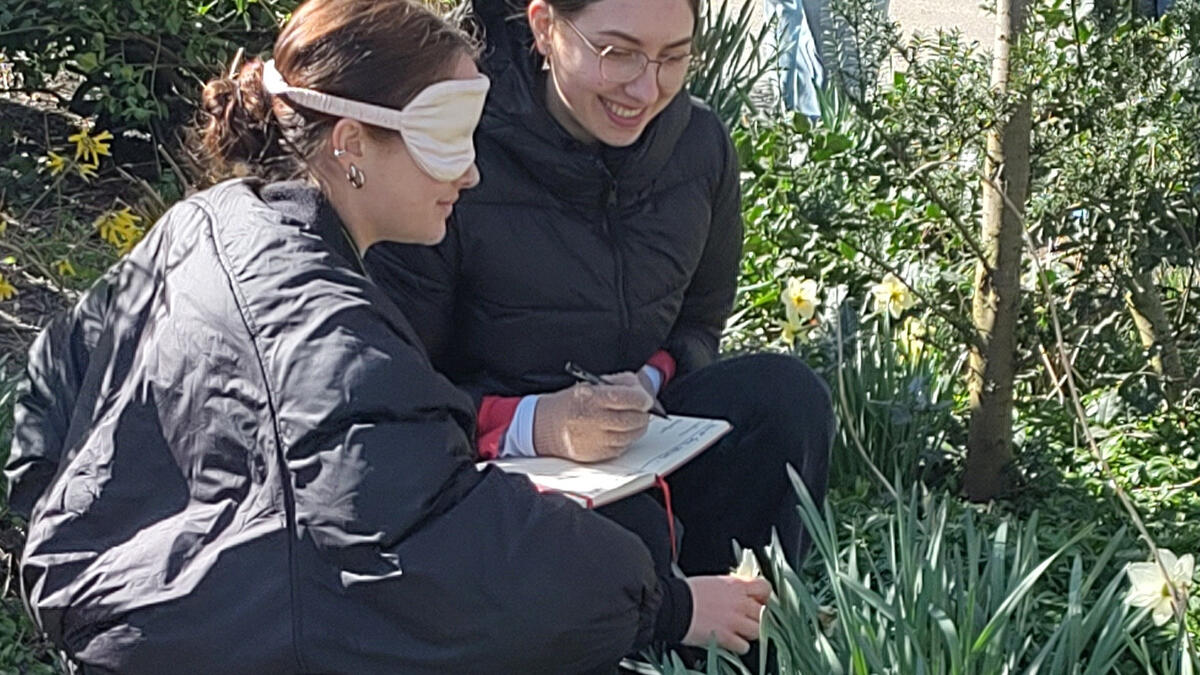
This exercise helps students develop transit skills by exploring the relationship between sensory and cognitive ways of knowing. By temporarily removing sight, students become more aware of how touch, smell, texture, temperature, and movement influence perception and meaning-making.While one student investigates the environment through direct sensory experience, the observing partner reflects on how this process unfolds. The exercise emphasizes that understanding the world does not only emerge through analytical thinking, but also through embodied, sensory, and experiential forms of inquiry.
Art Student
Human Resource Management Student